ChaiViz
12.08.2025
Reviews
Battlefield 6 Beta Showed EA is Gunning for Call of Duty's Throne
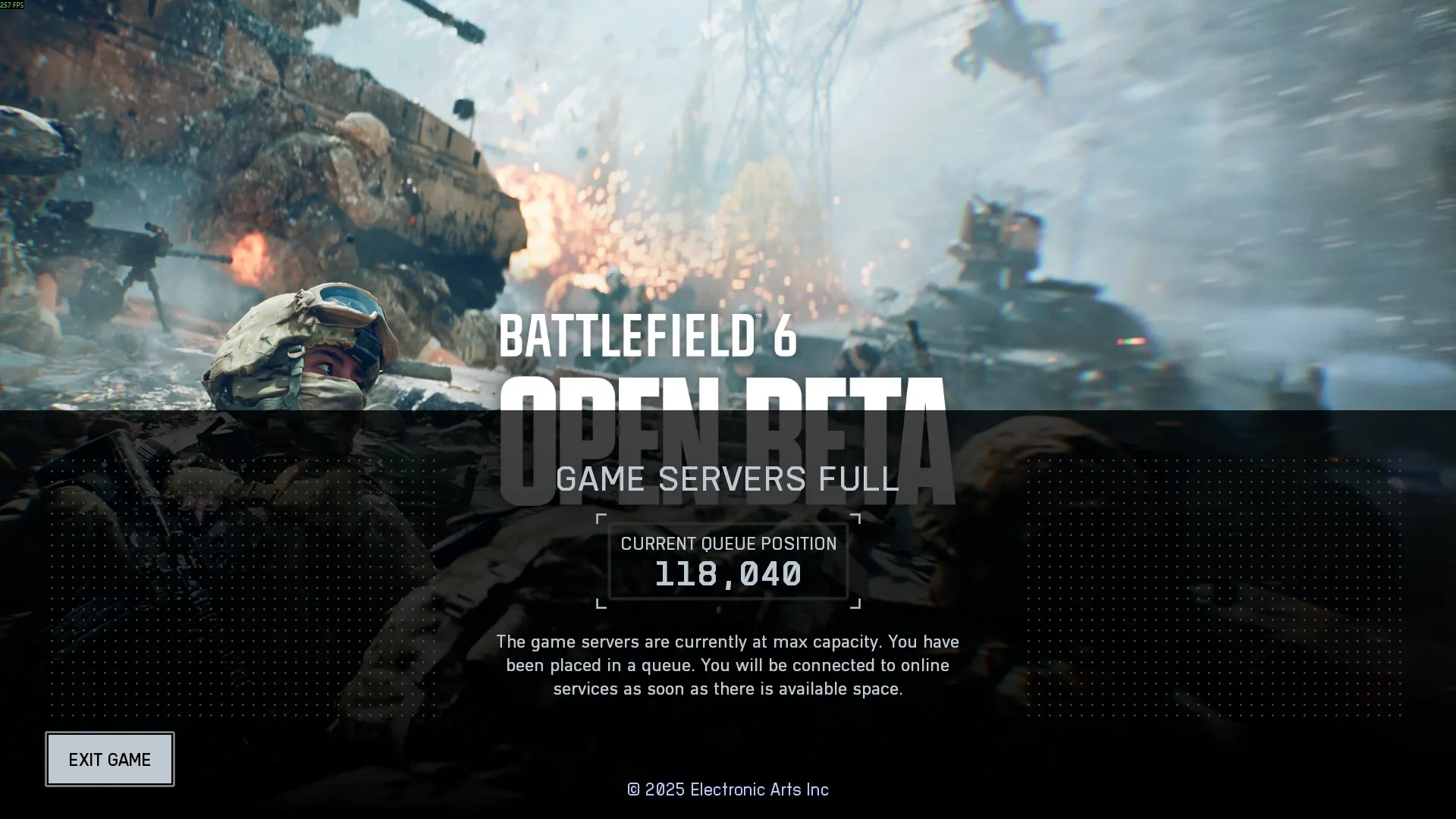
Welcome back to our weekly gaming coverage! This week brought something special for longtime Battlefield fans who've been waiting patiently for the franchise to remember what made it legendary. The Battlefield 6 beta wrapped up after an intensive testing period, and based on the numbers alone, EA might have finally course-corrected from the previous installment's missteps. The beta peaked at 521,079 concurrent players according to SteamDB, demonstrating that when Battlefield Studios comes to the table ready to compete, the gaming community responds enthusiastically. Before diving into our analysis, don't forget to check our esports coverage for the latest competitive gaming insights.
After years of watching Call of Duty dominate the tactical shooter landscape while Battlefield struggled with identity crises and controversial design decisions, this beta felt like a franchise rediscovering its competitive edge. The question isn't whether Battlefield 6 can reclaim its former glory, but whether it can finally mount a serious challenge to Call of Duty's seemingly unshakeable position at the top.
Early Access Advantage Reveals Studio Confidence
The Battlefield 6 beta ran from Thursday, August 7 through Monday, August 11, with early access beginning at 1am PDT. This extended testing period allowed Battlefield Studios to gather substantial feedback while giving dedicated players extra time to dive deep into the mechanics. The developer confidence in offering early access speaks volumes about their internal expectations for this release.
From the moment you load into Cairo, Egypt or any of the other meticulously crafted maps, the visual and audio improvements become immediately apparent. The destruction system that made the franchise famous returns with enhanced detail, creating those signature Battlefield moments where entire building facades crumble under sustained fire. Sound design deserves particular praise, with weapon audio that carries real punch and environmental effects that enhance immersion without overwhelming the tactical audio cues players depend on.
The map design philosophy represents a clear departure from the previous game's controversial decisions. These battlefields feel deliberately sized for intense engagement without the sprawling emptiness that plagued earlier attempts. Cairo stands out as a perfect example of how environmental storytelling can enhance tactical gameplay, with varied elevation changes and destructible cover creating organic flow between different combat scenarios.
Class System Refinements Show Tactical Maturity
Perhaps the most significant improvement comes through the refined class system, which strikes a balance between specialization and flexibility that previous entries struggled to achieve. The Support class emerges as particularly well-designed, offering meaningful utility without feeling overpowered. The tagging system represents smart evolution, requiring active target acquisition while rewarding tactical awareness and communication.
The Assault class raises interesting balance questions with its dual primary weapon setup and comprehensive gadget selection. Having access to both standard and explosive grenades, plus the HE launcher and STIM equipment, creates a versatile but potentially overwhelming kit. This design choice reflects Battlefield Studios' willingness to embrace aggressive playstyles while maintaining tactical depth.
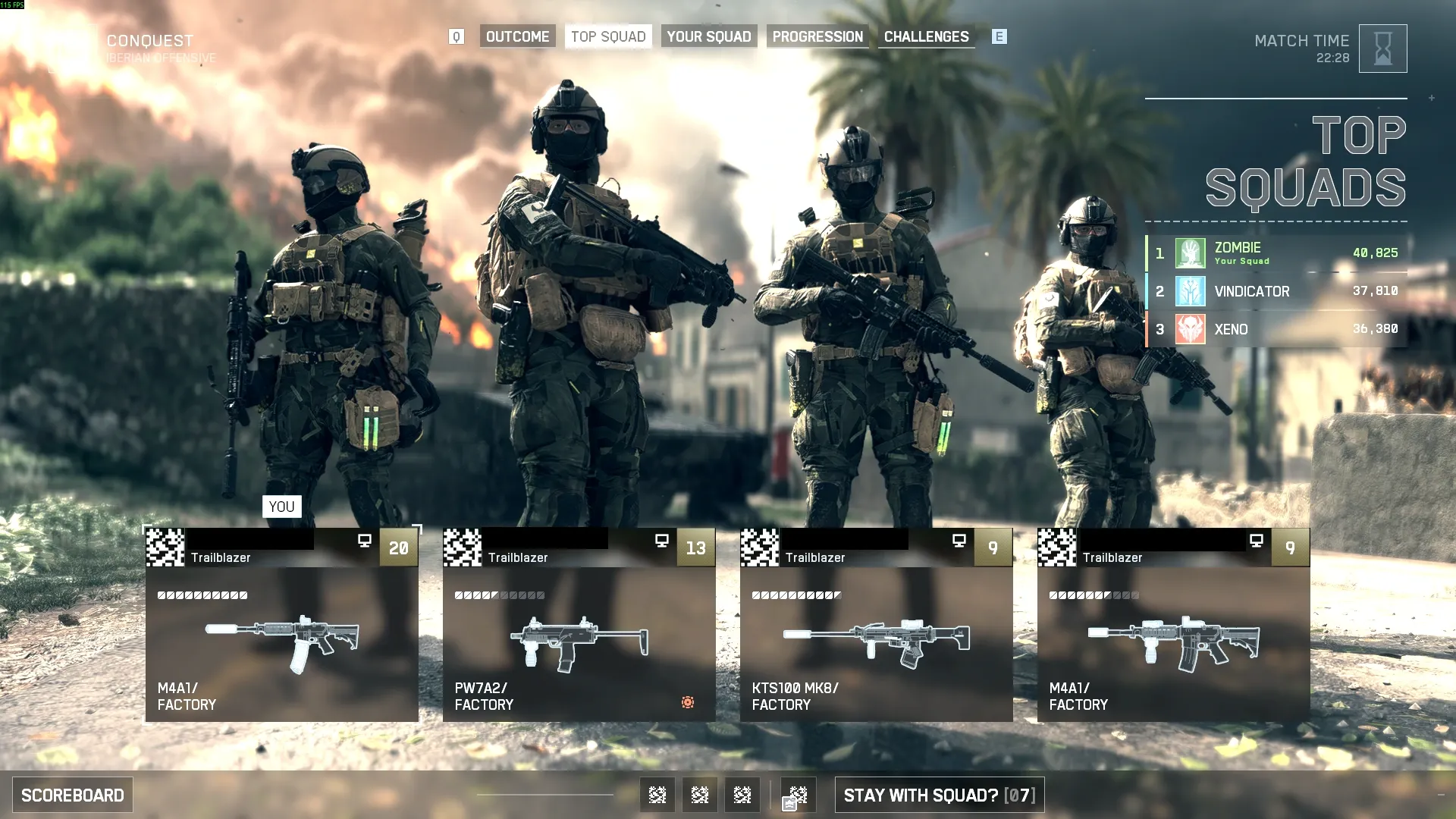
SMG dominance became apparent throughout the testing period, with these weapons consistently outperforming assault rifles in most engagement ranges. This balance decision might reflect the close-quarters focus of the beta maps, but it suggests that weapon tuning will require careful attention before launch. The M4A1, once properly configured with appropriate attachments, demonstrated solid performance potential that rewards player investment in understanding the modification system.
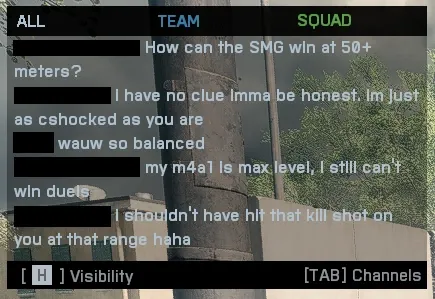
The frustration with weapon balance became evident in player discussions, with many questioning how SMGs maintained effectiveness at ranges where assault rifles traditionally excelled. Community feedback during the beta reflected this concern, with players sharing their confusion about optimal engagement distances and weapon selection strategies.
Technical Performance Delivers on Promises
The technical foundation appears remarkably solid for a beta build. Players reported consistent 100-120 fps performance with DLSS set to balanced or quality settings, indicating strong optimization work from the development team. This performance stability becomes crucial when considering Battlefield's traditional emphasis on large-scale combat with multiple simultaneous systems running.
Netcode concerns surfaced during testing, with several players noting inconsistencies that suggest the familiar 60Hz tickrate limitations. However, these issues remained minor compared to the catastrophic network problems that plagued previous launches. The destruction physics, particle effects, and environmental interactions all maintained stability under stress, suggesting that the core engine work has received significant attention.
The sliding mechanic adds modern movement options without fundamentally altering the tactical pacing that defines Battlefield gameplay. Unlike other franchises that have embraced hyperkinetic movement systems, Battlefield 6 maintains its deliberate approach while offering just enough mobility enhancement to keep engagements dynamic.
Weapon Balancing Reveals Competitive Intent
Shotgun performance generated considerable discussion during the beta, with effective ranges extending to approximately 15 meters under optimal conditions. While realistic, this damage model creates challenging scenarios for players expecting more traditional shooter balance conventions. The decision to maintain authentic weapon behavior over conventional game balance suggests Battlefield Studios prioritizes tactical authenticity.
The suppressor attachment system requires careful consideration, as many players discovered that certain muzzle devices significantly impact recoil patterns. This attention to realistic weapon modification effects rewards players who invest time in understanding ballistics while potentially alienating casual players expecting simplified progression systems.
LMG performance disappointed many Support class enthusiasts, with these weapons feeling underpowered relative to their historical Battlefield effectiveness. Given the Support class's utility focus, this balance decision might encourage more diverse loadout choices, but veteran players will likely push for improvements before launch.
Strategic Elements Maintain Franchise Identity
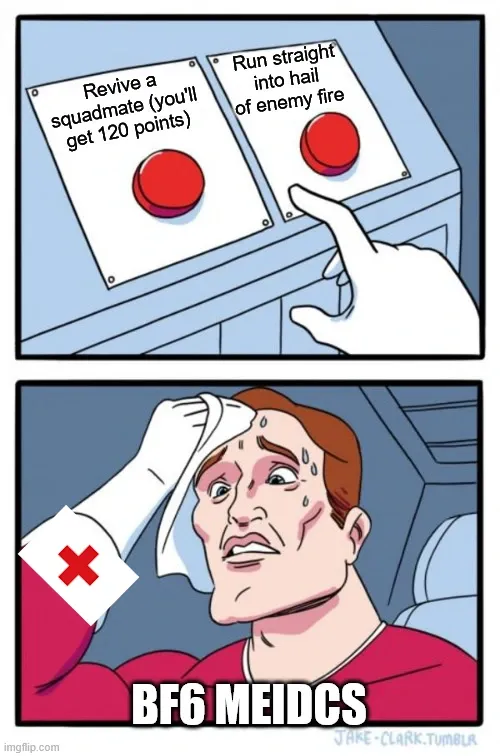
The revive system continues to evolve, with the pulling mechanism adding tactical depth to combat recovery situations. However, the keybind conflict between reviving teammates and acquiring their equipment creates frustrating misplay scenarios that need resolution. These small interface decisions can dramatically impact competitive play flow.
The community voice during the beta proved particularly valuable, with players openly discussing balance concerns and strategic approaches in real-time. These conversations highlighted both the engagement level of the player base and the areas requiring developer attention before launch.
Source: u/kszaku94
Smoke grenades proved exceptionally valuable throughout testing, offering tactical players numerous opportunities for creative positioning and objective control. The visual effects provide adequate concealment without completely obscuring important audio cues, maintaining the tactical balance that experienced Battlefield players demand. The support class choice between aggressive play and team utility created the kind of meaningful decisions that separate good players from great ones.
Vehicle combat showed mixed results, with tank gameplay feeling appropriately weighty but vulnerable to coordinated infantry assault. The helicopter balance leaned heavily toward fragility, with both manual and automated anti-air systems capable of rapid destruction. This design approach encourages tactical vehicle deployment rather than the dominating presence vehicles maintained in some previous entries.
Community Response Signals Franchise Recovery
The concurrent player numbers tell a compelling story about community confidence in Battlefield's direction. Reaching a peak of over 521,000 players during the beta period demonstrates that the audience remains enthusiastic about the franchise when developers deliver focused, competitive experiences.
Streamer reaction proved particularly telling, with skilled players adapting quickly to the refined mechanics while expressing genuine excitement about the tactical depth. The competitive community's positive response suggests that Battlefield 6 might finally offer the skill ceiling and strategic complexity that separated the franchise from other tactical shooters during its peak years.
The Path Forward Against Call of Duty
Battlefield Studios appears to understand that reclaiming market position requires more than nostalgic callbacks to franchise glory days. The beta demonstrated technical competence, tactical sophistication, and design confidence that suggests serious competitive intent. Whether this translates into sustained challenge against Call of Duty's established dominance remains uncertain, but the foundation looks stronger than it has in years.
The real test comes with launch stability, post-release content support, and long-term balance refinement. Call of Duty's strength lies not just in gameplay quality but in consistent delivery and community engagement. Battlefield 6 shows promise in the former while needing to prove capability in the latter.
What impressed you most about the Battlefield 6 beta experience? Did the tactical improvements convince you that the franchise can challenge Call of Duty's current dominance? For those seeking competitive gaming analysis beyond traditional shooters, check out our esports predictions and analysis covering the latest tournament developments in Dota 2 and Counter-Strike 2.
Our Pick'ems system lets you predict match outcomes with chances to win valuable Steam marketplace items and skins. Ready to test your competitive gaming knowledge beyond the battlefield?
News Feed
Loading...
Loading...
Loading...
Loading...
Loading...
Loading...
Loading...
Loading...
Loading...
Loading...