ChaiViz
20.12.2025
Reviews
New Games 2025: December Week 3 Spotlight
Welcome back to our weekly gaming roundup! December's third week delivers a surprisingly eclectic mix that spans rhythm action, environmental adventure, and strategic card battling. Whether you're chasing perfect timing, exploring oceanic landscapes, or building the ultimate dog deck, this week offers compelling reasons to dive into something new. Before we explore this week's new games 2025 releases, make sure to check out our esports predictions and analysis for comprehensive tournament coverage. Let's examine what dropped this week and catch up on the industry developments shaping gaming's future.
Game Releases
Bits & Bops
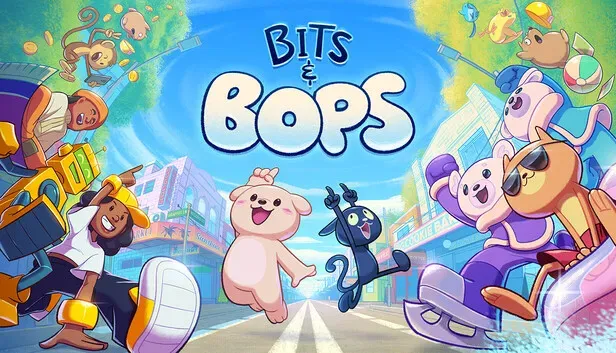
Platforms: PC
Release Date: December 9, 2025
Rhythm games have always occupied a special niche in gaming, demanding precision while rewarding mastery with that perfect flow state feeling. Bits & Bops takes the genre in a refreshingly varied direction by offering over 20 distinct rhythm mini-games rather than focusing on a single core mechanic.
The collection approach works brilliantly here. Each mini-game presents its own challenge and timing requirements, keeping the experience fresh across extended sessions. The hand-drawn 2D animation brings genuine personality to every scenario, while the original soundtrack provides exactly the kind of catchy, upbeat tunes that define great rhythm gaming.
What makes this particularly noteworthy is the custom game engine delivering lightning-fast response times. In rhythm games, even milliseconds of input lag can destroy the experience, turning precise timing into frustrating guesswork. The developers clearly understand this fundamental requirement, building their entire technical foundation around responsive controls that anyone can learn but take real skill to master.
The inclusion of Bop, an adorable dog-bear companion, adds warmth to the proceedings without feeling forced or gimmicky. After years of rhythm games taking themselves incredibly seriously, there's something genuinely appealing about this lighter, more playful approach that never sacrifices mechanical depth.
Toroa: Skycall

Platforms: PC
Release Date: December 9, 2025
Environmental storytelling takes center stage in this gliding adventure that grounds itself in te ao Māori (the Māori world). You play as Toroa, an albatross separated from family and navigating an ever-changing seascape while guided by Tāwhirimātea, the Māori god of weather.
The gameplay mechanics capitalize on the albatross having the largest wingspan in the world. Gliding on wind currents becomes the primary mode of exploration as you traverse stylized landscapes ranging from calm seas to verdant islands and dreamlike cloudscapes. The traversal system rewards understanding air currents and weather patterns rather than constant active input, creating a meditative quality that suits the narrative themes perfectly.
Interaction with sea creatures forms the emotional core of the experience. Dolphins, whales, penguins, and other South Pacific marine life each have their own personalities and stories. The kelp trading system and bird flock gathering mechanics add light progression elements without overwhelming the contemplative atmosphere.
What elevates this beyond typical environmental games is the authentic integration of Māori culture. The soundtrack showcases taonga pūoro (traditional Māori musical instruments), while character dialogue incorporates the Māori language naturally. The narrative explores themes of family, ocean preservation, and temporal connections between past and future, all filtered through Indigenous perspectives that rarely receive this kind of representation in gaming.
The environmental message about ocean pollution manifests through gameplay. With help from a knowledgeable seagull guide, you'll identify various types of trash scattered throughout the ocean, creating awareness without resorting to heavy-handed preaching. The game trusts players to understand the implications without spelling everything out.
Dogpile

Platforms: PC
Release Date: December 11, 2025
Merging mechanics have become ubiquitous in mobile gaming, but Dogpile brings the concept to a deckbuilding framework that adds genuine strategic depth. The core premise sounds delightfully absurd: when two identical dogs touch, they merge into a bigger dog. Your goal remains straightforward throughout: achieve the biggest dogs imaginable.
The deckbuilding layer transforms what could be a simple merging game into something with real strategic considerations. You'll carefully curate your collection of canines, customize their traits, and deploy them with tactical precision. Managing board space becomes crucial as you balance immediate merges against setting up future combinations.
The trait system adds welcome complexity. Dogs come with various quirks including Barky, Sleepy, Timid, and Cool, each affecting gameplay in distinct ways. The Dog Wash location allows you to add additional traits, while Dog Tags provide powerful modifiers that can exploit trait synergies. Finding effective combinations becomes the path to success, rewarding players who think several moves ahead.
What prevents this from feeling like another disposable merging game is the upgrade and improvement system that carries across runs. Each session teaches you new synergies and strategies, building knowledge that makes subsequent attempts more successful. The progression curve hits that perfect sweet spot where you're constantly learning without ever feeling completely lost.
The tone manages to be lighthearted without becoming annoying. The game acknowledges the absurdity of adopting dozens of dogs while leaning into the fantasy that deckbuilding provides. After all, you really shouldn't adopt a dozen dogs in real life, but here you can pursue that dream without the logistical nightmare of actual pet ownership.
Happenings in the Gaming World
Steam Reaches Record 19,000 Game Releases in 2025

Valve's digital marketplace has established another milestone, with over 19,000 games launching on Steam throughout 2025. Data from SteamDB confirms 19,468 releases this year, surpassing 2024's already impressive 18,556 titles. Since Steam's launch in 2006, only one year has seen fewer games released than the previous year, and that was 2018.
Simon Carless from GameDiscoverCo attributes the explosion to democratized game creation tools and lowered barriers to entry. Modern game engines have become significantly more approachable than they were a decade ago, enabling talented developers to bring their visions to life without massive studio backing.
The trend shows no signs of reversing either. Carless predicts potential fluctuations of 5-10% year over year but doesn't foresee major decreases unless the platform itself experiences fundamental problems. The combination of accessible development tools and relatively low entry barriers means new creators will continue flooding the market with innovative, inexpensive projects.
GameDiscoverCo's internal data suggests Semiwork Studio's R.E.P.O. sold the most copies on Steam throughout 2025, followed by Landfall Games and Aggro Crab's Peak. Battlefield 6 claimed third place in unit sales while generating the highest gross revenue thanks to premium pricing. Capcom's Monster Hunter: Wilds secured second place in revenue, with Arc Raiders taking third.
The sheer volume of releases creates obvious discoverability challenges for developers and curation headaches for players, but it also demonstrates gaming's continued vitality as a creative medium. Thousands of talented creators are building interesting experiences, even if the majority never achieve commercial success.
Bungie Confirms Marathon for March 2026 Launch
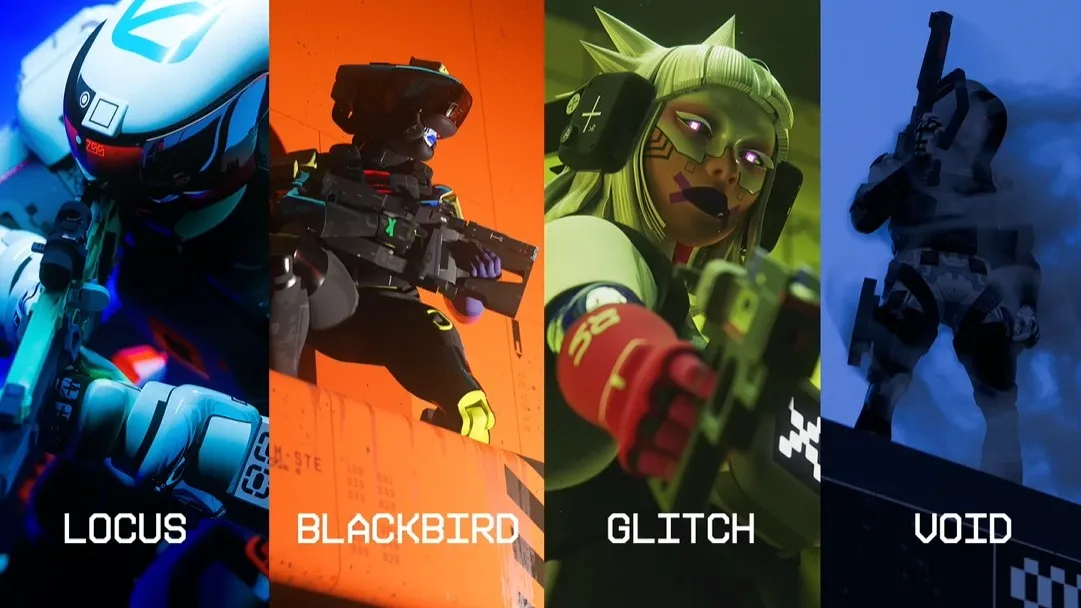
After months of uncertainty, Bungie has officially set March 2026 as the release window for its extraction shooter Marathon, priced at $40. The announcement via video featurette revealed substantial changes following the mixed reception to April 2025's closed alpha playtest.
The developer addressed feedback directly by implementing highly requested features. Proximity chat now allows spontaneous communication with other players in the world, while a Solo Queue option accommodates players who prefer competing against other solo participants rather than coordinated teams.
Visual fidelity and environmental storytelling received significant attention during the development extension. Senior Design Lead Lars Bakken acknowledged that alpha participants felt the world lacked danger and atmosphere. The game's narrative centers on humanity's failed attempt to colonize Tau Ceti, a distant star. Game Director Joseph Ziegler describes the premise: corporations invested in the Marathon colonization project scramble to recoup losses after catastrophic failure, creating the chaotic extraction shooter setting.
Sony's financial interest in the project became apparent during recent earnings calls. CFO Lin Tao repeatedly reassured investors that the game remained on track for fiscal year 2025, which ends in March 2026. The company measured key performance indicators during an October closed playtest, making corrections as needed to ensure successful launch.
The pressure on Bungie intensified following a $204 million impairment loss during Sony's Q2 FY2025 period, attributed to Destiny 2's underperformance. Tao noted that sales and user engagement fell short of acquisition expectations, adding weight to Marathon's importance for Sony's live-service strategy.
Sony acquired Bungie in 2022 for $3.6 billion specifically to bolster its live-service capabilities. Marathon's performance will significantly influence whether that investment proves worthwhile or becomes another cautionary tale about chasing the live-service dream.
Marathon Art Director Joseph Cross Departs Bungie
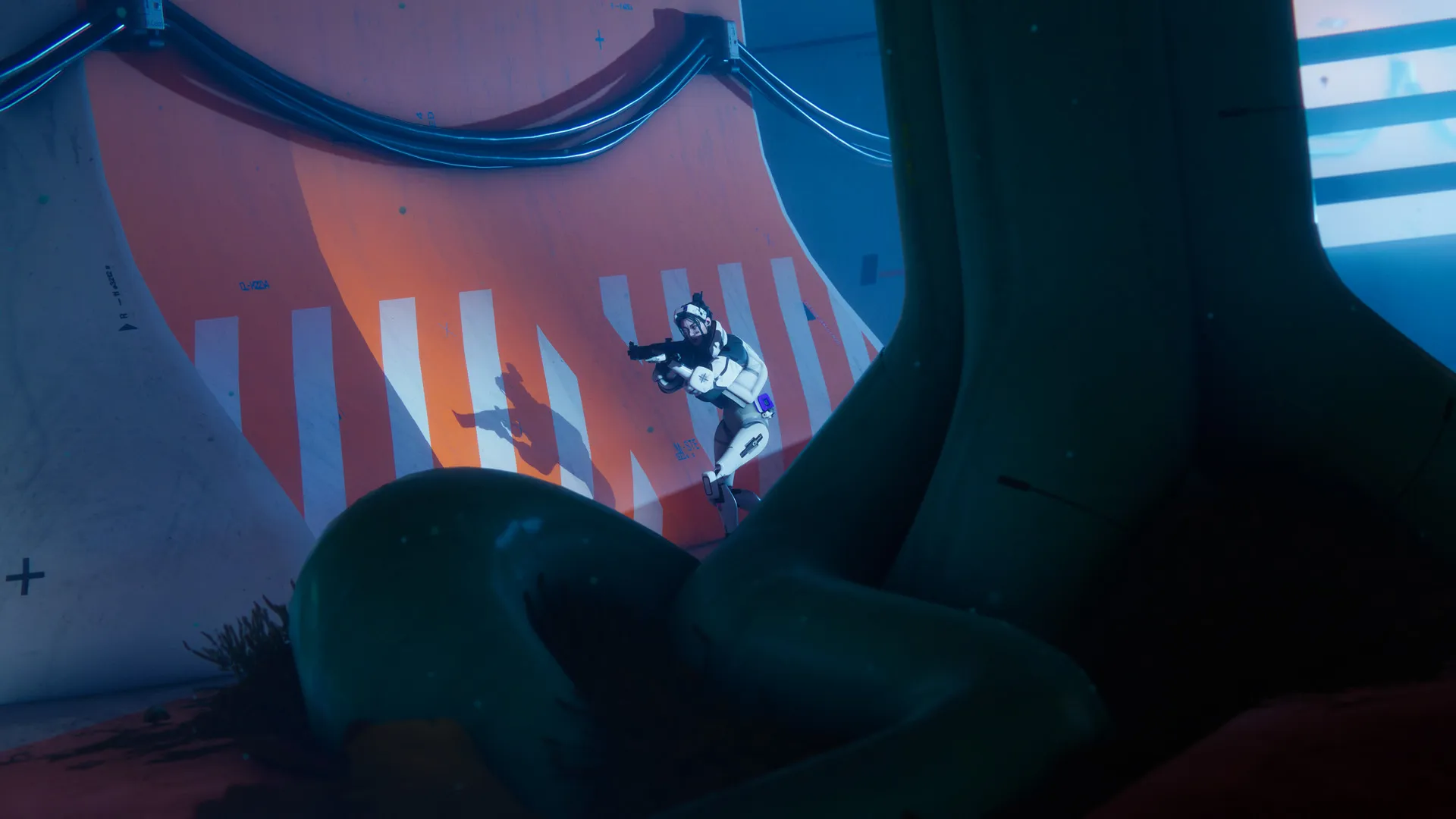
In timing that raises questions about Marathon's development stability, Franchise Art Director Joseph Cross has left Bungie just three months before the game's scheduled March 2026 launch. Kotaku confirmed the departure directly with Cross, who stated it was his decision to leave.
Cross expressed pride in the project and the team's six-year effort, noting he looks forward to experiencing the game as a player alongside everyone else. His Twitter farewell called Bungie's art team "the best in biz" while thanking supporters throughout the development journey. The departure becomes more notable considering recent plagiarism accusations that surrounded Marathon earlier this year. Independent artist Fern Hook, known as ANTIREAL, highlighted similarities between Marathon's environmental assets and poster designs she created in 2017. Hook emphasized that while Bungie wasn't obligated to hire her, the game drew heavily from design language she had refined over a decade.
Bungie's investigation confirmed that a former artist included unauthorized decals in texture sheets that made it into the game. The company acknowledged the oversight occurred without the existing art team's knowledge and committed to reviewing internal processes to prevent future incidents.
Cross appeared on a pre-planned livestream following the accusations, taking responsibility for the oversight and promising thorough review processes moving forward. His departure now raises questions about whether these events influenced his decision or if his work on Marathon had simply reached its natural conclusion.
Cross originally joined Bungie in 2011 as a lead concept artist working on Destiny and Destiny 2 before leaving in 2018 for an art director position at Probably Monsters. He returned in 2020 specifically to helm Marathon's visual direction, making his exit just before launch particularly striking given the typical desire to see major projects through to release.
That wraps up our December Week 3 spotlight! What caught your attention from this collection? And if nothing here sparked your interest, perhaps esports is more your speed? We provide comprehensive coverage of Dota 2 and Counter-Strike 2 tournaments! Check out our analysis and predictions over here, or try making your own predictions. Our Pick'ems system lets you forecast match outcomes and compete for expensive items and skins from the Steam marketplace. Interested? Give it a try.
ChaiViz
20.12.2025
Reviews
Blog TAGS
New Games 2025
Bits & Bops
Toroa: Skycall
Dogpile
News Feed
Loading...
Loading...
Loading...
Loading...
Loading...
Loading...
Loading...
Loading...
Loading...
Loading...