News Feed
Loading...
Loading...
Loading...
Loading...
Loading...
Loading...
Loading...
Loading...
Loading...
Loading...
News Feed
levelzjee
24.02.2025
The history of Counter-Strike is filled with defining moments, but few shaped its future quite like DreamHack Winter 2013. It wasn’t just the first Valve-backed Major for CS:GO, it was the event that proved the game’s potential as a global esports powerhouse. From shocking upsets to record-breaking viewership, this was the tournament that set the tone for every Major that followed.
Held from November 28 to 30, 2013, in Jönköping, Sweden, DreamHack Winter 2013 wasn’t just another tournament, it was THE tournament. With a $250,000 prize pool, partially crowdfunded through Valve’s Arms Deal update (which also introduced in-game skins), it became the highest-stakes CS:GO event at the time. This marked a turning point for the competitive scene, proving that community-backed esports events could thrive on a global scale.
Sixteen teams battled for glory. Six directly invited and ten earning their spots through qualifiers. The format was simple but brutal: a GSL-style group stage, followed by a single-elimination playoff bracket. Every match was high stakes, every round mattered, and the pressure was relentless.
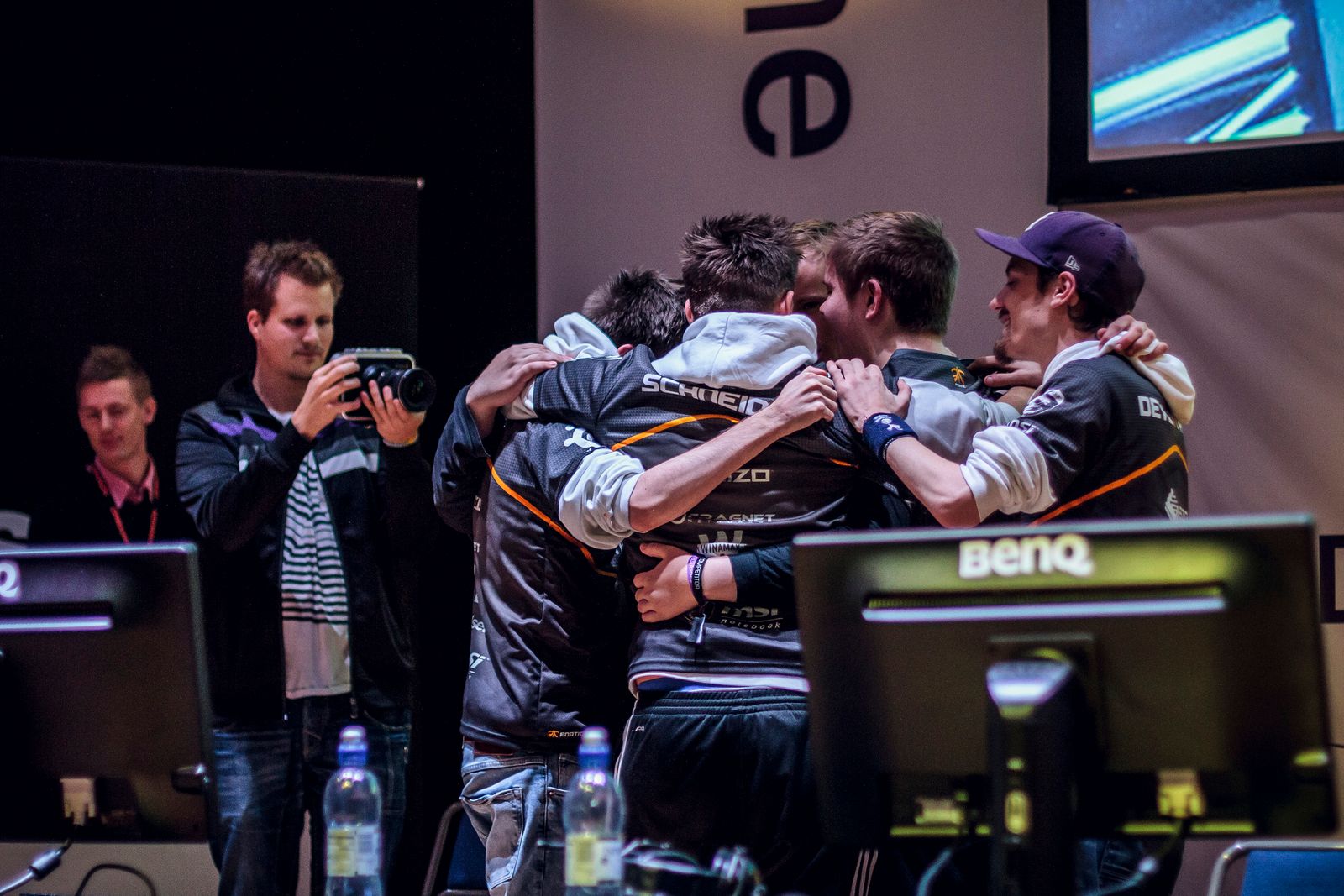
Heading into the tournament, Ninjas in Pyjamas (NiP) were the undeniable favorites. They had been an unstoppable force in CS:GO since its release in 2012, dominating nearly every event they attended. But esports is unpredictable—and DreamHack Winter 2013 was about to deliver one of the biggest upsets in CS:GO history.
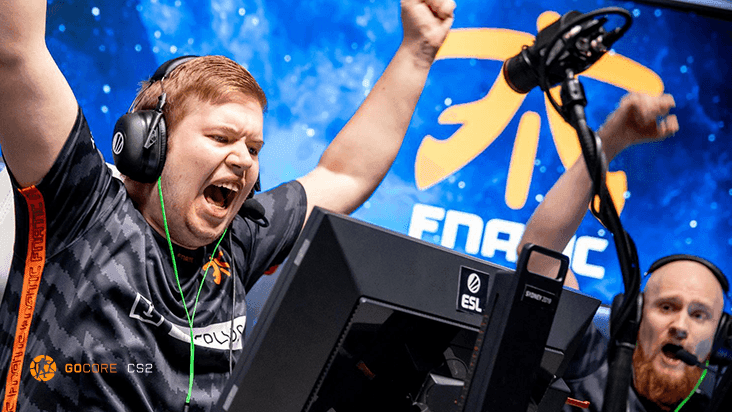
Fnatic, a Swedish roster flying slightly under the radar, defied all expectations. Led by the electrifying Jesper "JW" Wecksell, who would go on to be named MVP of the event, Fnatic dismantled the titans of NiP in the grand final. The result? A $100,000 payday and their place in CS:GO’s history. NiP, meanwhile, had to settle for second and $50,000, despite being the heavy favorites.
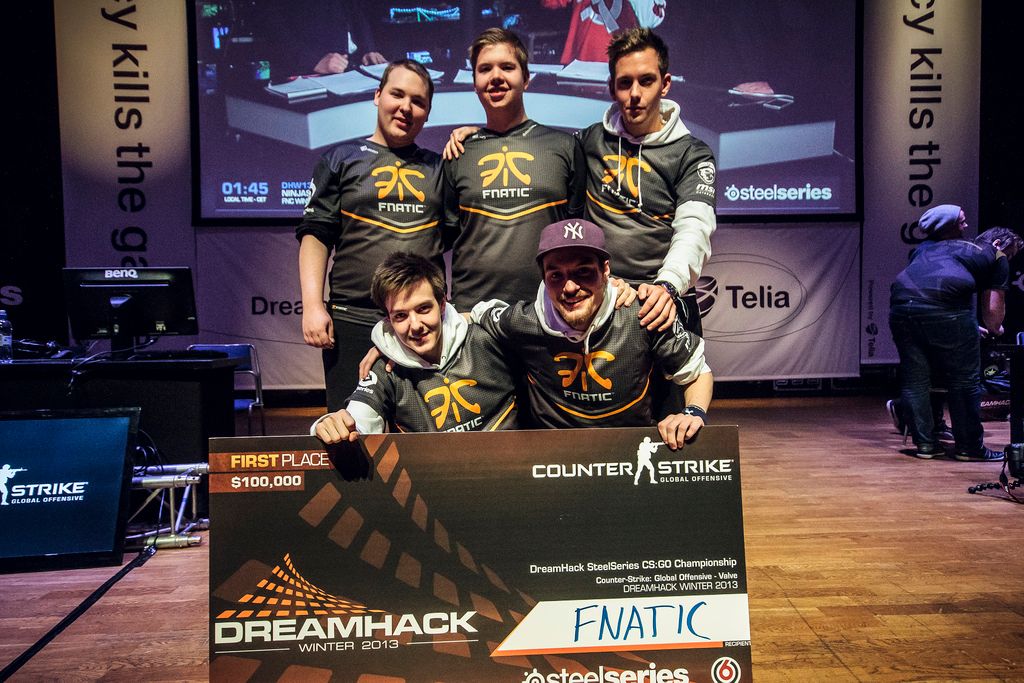
This wasn’t just another tournament win. DreamHack Winter 2013 was a cultural shift for CS:GO esports. It introduced a new level of professionalism, sparked rivalries that would define future Majors, and set the standard for how CS:GO events would be run moving forward.
But it wasn’t just about the teams or the prize pool—this Major also highlighted the raw power of community engagement. With in-game skins funding part of the prize pool, fans felt directly invested in the event. That connection translated into numbers: the tournament peaked at 145,000 concurrent viewers on Twitch and the in-game client, a massive milestone for esports viewership at the time.
The Map Pool: The tournament featured CS:GO classics (Dust II, Inferno, Mirage, Nuke, and Train) forcing teams to strategize hard on bans and picks.
Swedish Domination: Out of the 16 teams, Swedish players had the strongest presence, with both finalists (Fnatic and NiP) hailing from Sweden.
A New Esports Funding Model: Valve’s community-funded prize pool dwarfed the usual $10,000–$40,000 pots seen at the time, setting a new industry standard.
Playoff Perks: The eight teams that made the playoffs earned automatic invites to the next Major, EMS One Katowice 2014 kickstarting the tradition of rewarding consistency in the CS:GO Major circuit.
DreamHack Winter 2013 didn’t just crown Fnatic, it crowned CS:GO as a true esports juggernaut. It laid the foundation for the Major system, set expectations for prize pools, and proved that community involvement could directly fuel a game’s competitive scene.
Today, every CS:GO Major traces its roots back to that icy weekend in Sweden. It was the event that made players legends, forged new rivalries, and, most importantly, proved that CS:GO wasn’t just here to stay. It was here to dominate.

levelzjee
24.02.2025
Article TAGS