News Feed
Loading...
Loading...
Loading...
Loading...
Loading...
Loading...
Loading...
Loading...
Loading...
Loading...
News Feed
ChaiViz
31.12.2025
Understanding the fundamentals of Counter-Strike 2's most iconic bombsite can transform how you make CS2 predictions and evaluate team strategies. The A site on Mirage represents one of the game's most complex tactical battlegrounds, where utility usage and positioning knowledge separate casual bettors from informed analysts. While surface-level observers might see only firefights, recognizing the underlying positional warfare and utility execution reveals the true depth that influences match outcomes.
Most spectators and bettors misunderstand A site dynamics by focusing exclusively on aim duels while overlooking the intricate dance of utility control and position denial. The bombsite's multiple angles, elevation changes, and cover options create a tactical puzzle where every smoke grenade, molotov, and defensive position carries strategic weight. Professional teams spend countless hours perfecting these fundamental setups because controlling A site often determines round outcomes, which directly impacts your ability to make accurate predictions during live matches.
This guide breaks down the essential defensive positions, smoke lineups, and utility usage that define A site play on both sides. By understanding these core concepts, you'll gain insight into professional decision-making and recognize the tactical nuances that separate winning predictions from losing ones.
The best CS2 players demonstrate consistent defensive excellence through disciplined positioning and utility management. Counter-Terrorist players defending A site face a fundamental challenge of covering multiple entry points simultaneously while maintaining the ability to trade kills and retake if necessary. The bombsite's open layout punishes static positioning, requiring defenders to constantly adapt their angles based on available information and utility deployment.
Elite professional defenders understand that A site control directly correlates with round win probability. Teams like FaZe, NAVI, and Vitality have built their Mirage success around players who master the fundamental positions covered in this guide. When watching CS2 matches today, pay attention to how top-tier defenders rotate between aggressive and passive positions based on economic situations and opponent tendencies.
The two primary defensive zones revolve around close angles near the bombsite itself and distance positions that contest terrorist map control. Understanding when to hold aggressive versus passive positions forms the foundation of effective A site defense and allows you to better predict round outcomes during live matches.
The most common defensive setup places one player in a close bombsite position while another controls the connector or ramp areas. These positions create crossfire opportunities and ensure that terrorists cannot plant the bomb without facing resistance from multiple angles simultaneously.
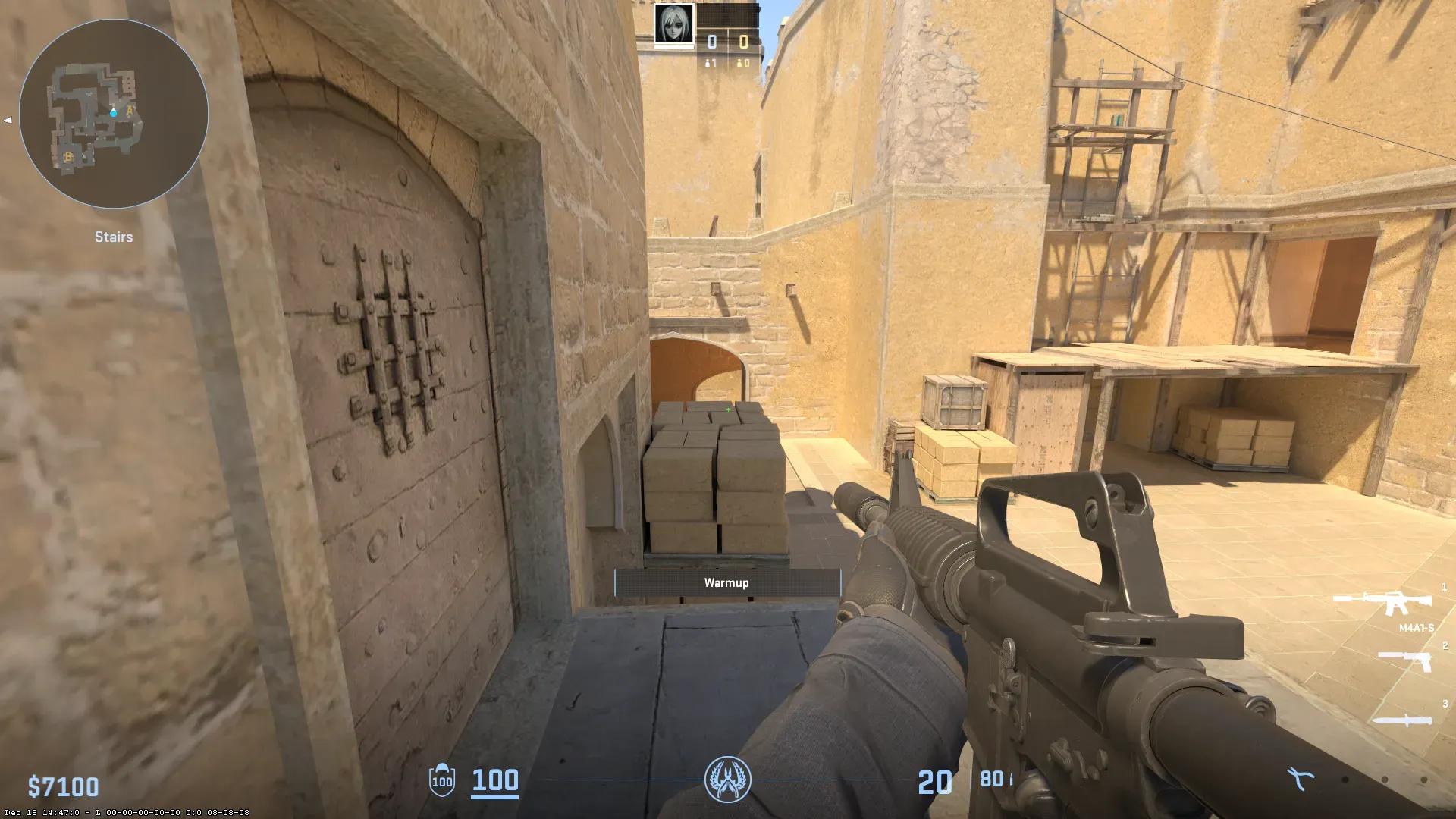
The Tetris/Stairs area provides one of the most versatile defensive positions on A site. From this elevated position, CT players can contest both ramp pushes and players attempting to plant in default spots. The key advantage comes from the head-level angle that forces terrorists to clear this position before safely executing their plant. Professional defenders often hold this spot early in rounds before falling back to safer positions once terrorists deploy their utility.
More aggressive CT players incorporate dynamic positioning into their defensive arsenal. The ticket area provides opportunities for unexpected angles that can disrupt standard terrorist executes.
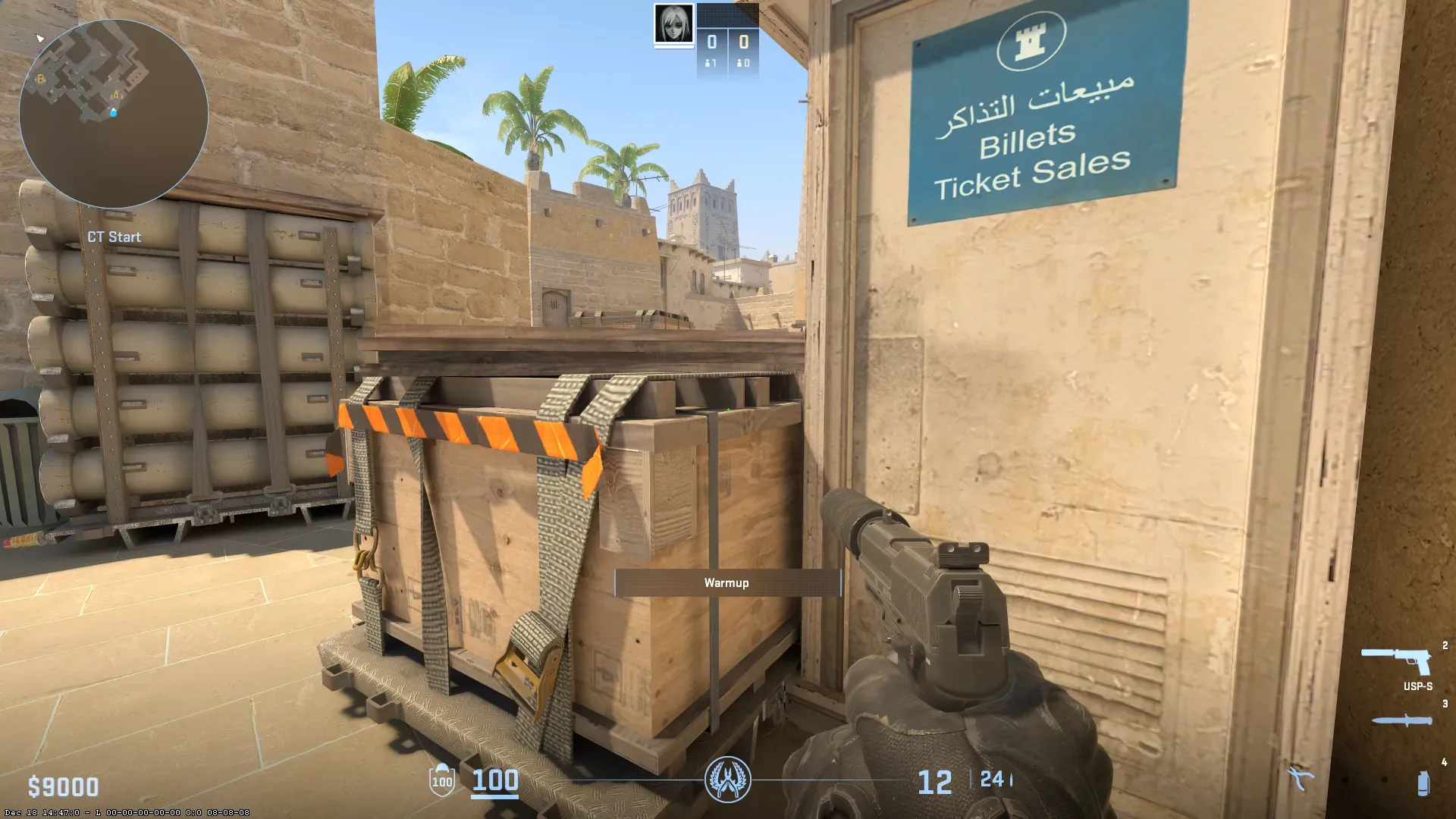
The ticket jump peek represents an advanced defensive technique where CT players expose themselves briefly to gather information or secure an advantageous kill before terrorists fully commit to the site. This position works particularly well against terrorists running standard A executes because it appears in an unexpected sightline that most attackers don't pre-aim. When you see the best CS2 players utilizing this peek during tournaments, they're gambling on timing and opponent patterns to secure crucial advantages.
Successful A site executes in professional CS2 rely on coordinated utility usage that removes key defensive angles and creates safe plant opportunities. Teams typically dedicate three to four grenades toward A site smokes alone, recognizing that incomplete utility setups often result in failed executes and wasted resources.
The standard terrorist smoke setup targets three critical areas: ticket - CT spawn connection, and the stairs/Tetris position. These smokes collectively deny the most common defensive angles while providing terrorists safe space to plant and establish post-plant positions. Understanding these setups becomes particularly valuable when making CS2 predictions about which team will secure the A site during executes.
The ticket smoke serves as the foundation of most A site executes by eliminating the close angle that CTs commonly hold. Without this smoke, terrorists expose themselves to close-range engagements while attempting to plant or clear other areas.
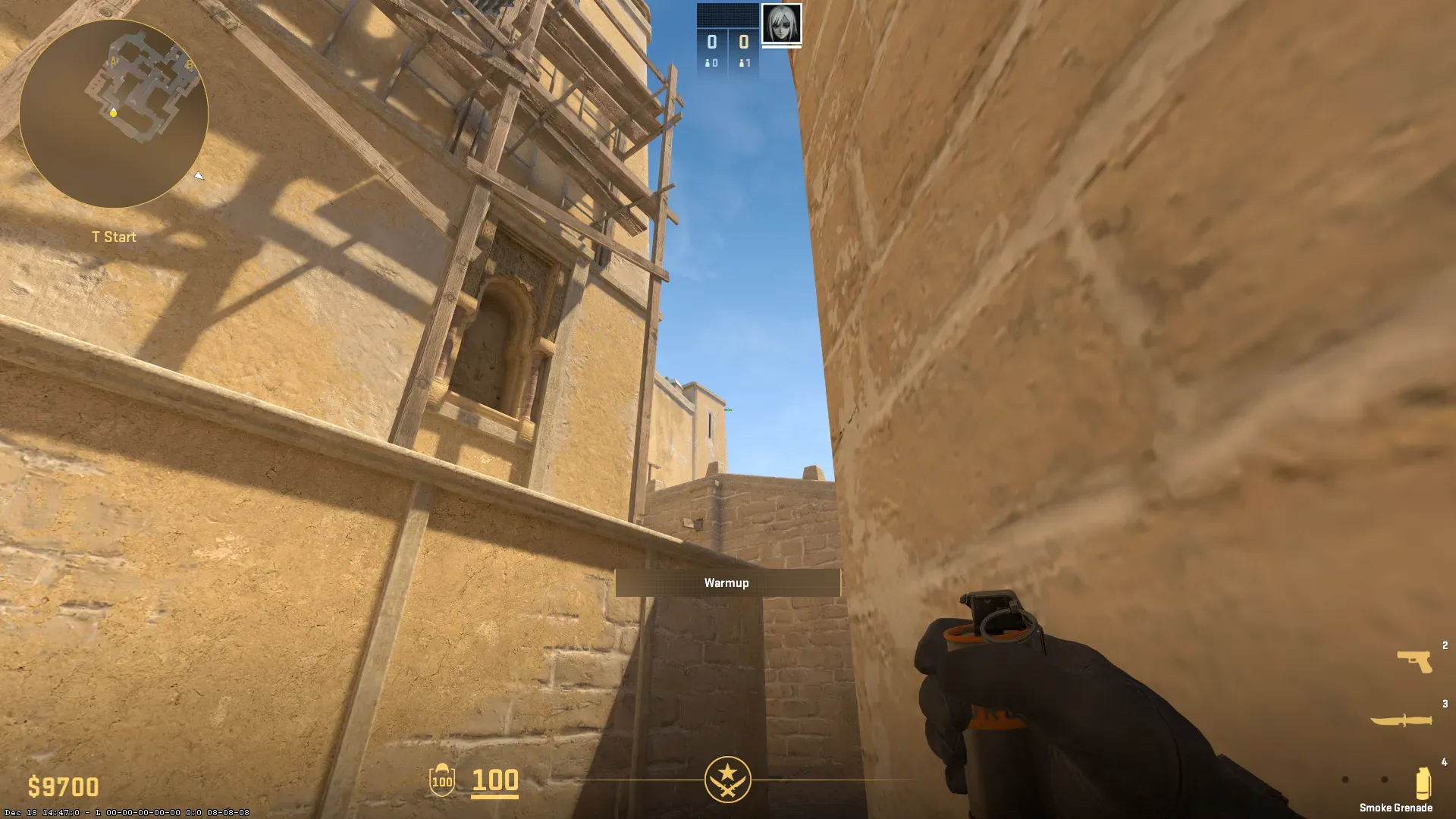
The ticket smoke lineup requires precise positioning to ensure consistent results. Standing in the designated spot with the specific aim point guarantees that the smoke lands in the optimal position regardless of player movement or throw velocity variations. Professional teams practice these lineups extensively because inconsistent smokes often lead to costly round losses.
How to: hold left click - jump throw.
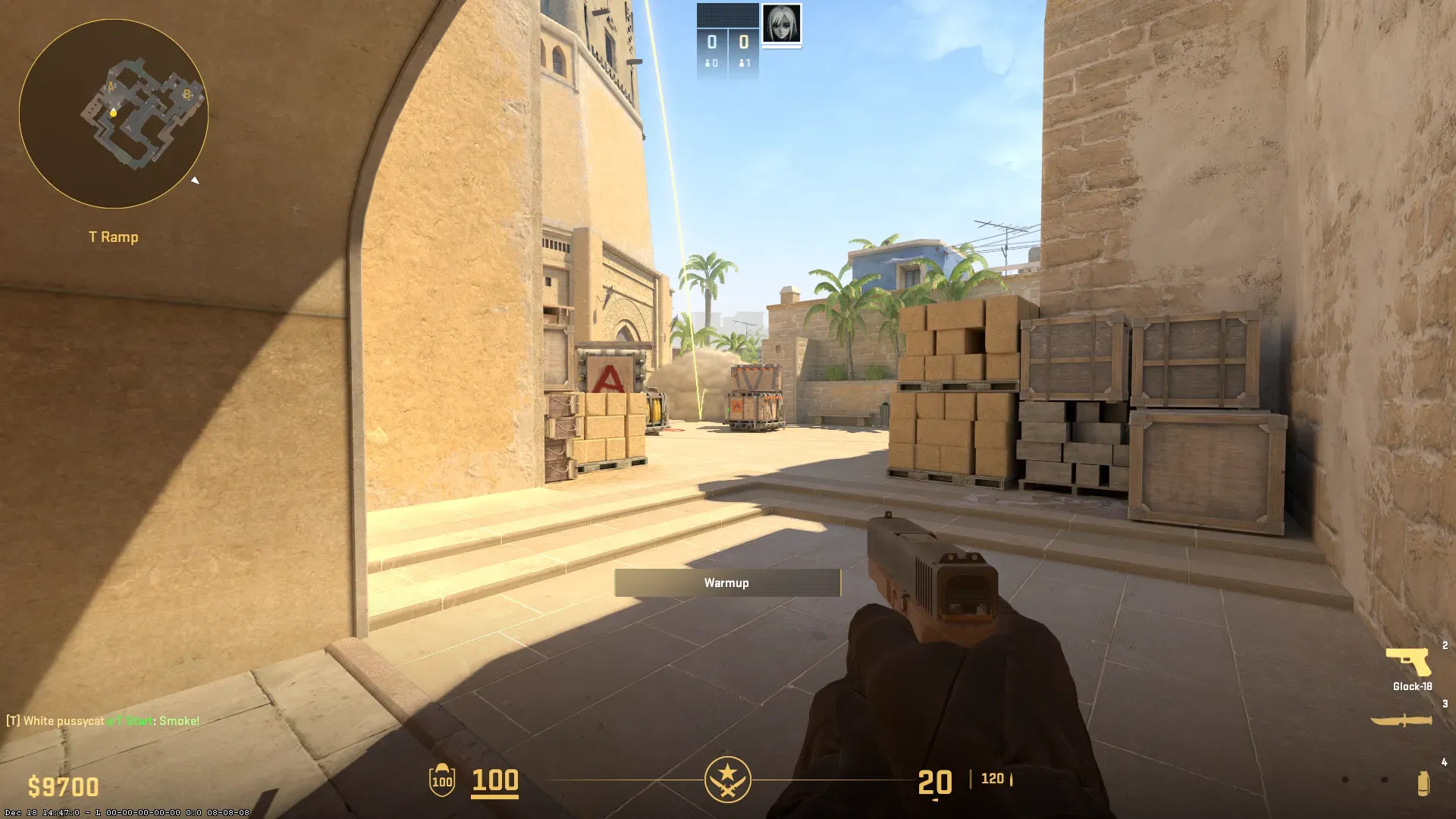
When properly executed, the ticket smoke completely blocks visibility from both the ticket position and the area behind it. This creates a safe corridor for terrorists entering the site and prevents CT players from contesting the default plant position from close range.
Blocking the elevated Tetris position remains essential for safe site executes and post-plant defense. This smoke prevents CT players from holding the powerful head-level angle that covers multiple plant positions.
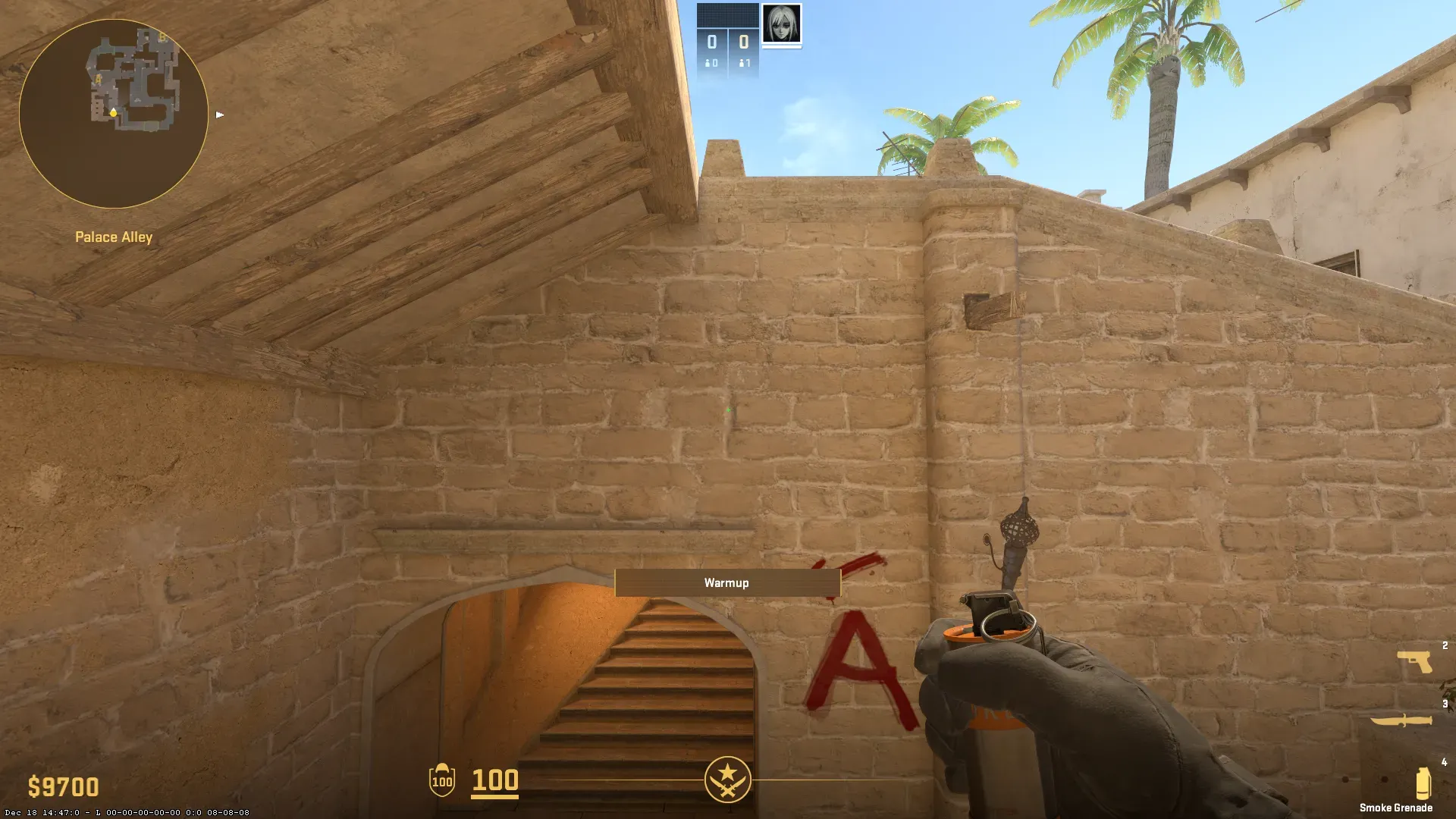
The stairs smoke lineup uses a specific position and aim point to ensure the smoke lands in the gap between the stairs and connector. This placement maximizes coverage while minimizing the risk of leaving exploitable gaps in the smoke wall.
How to: hold left and right click - jump throw.

To help the Tetris smoke pros usually throw another for the stairs just behind it to block off kitchen.
How to: hold left click - throw.
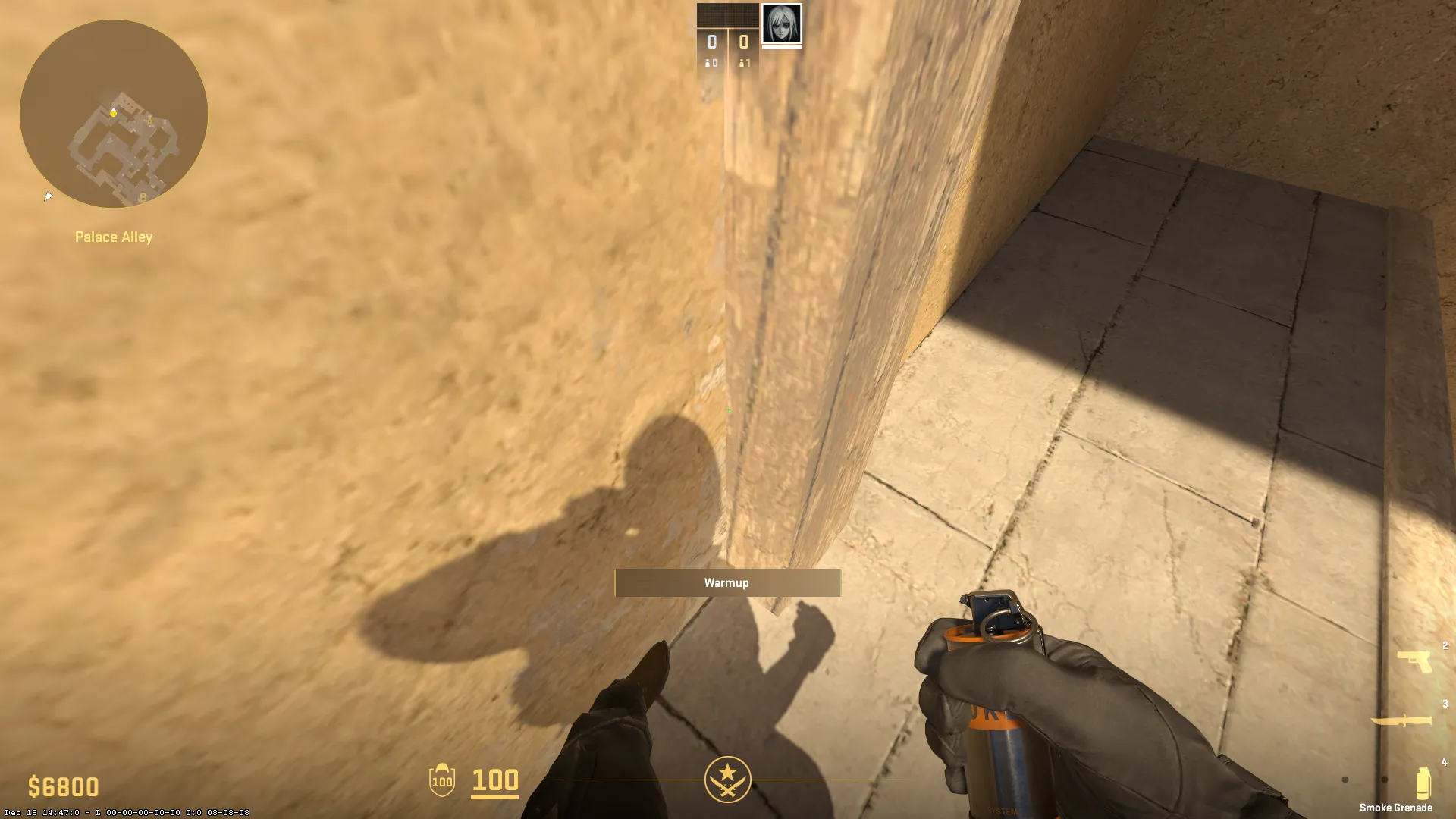
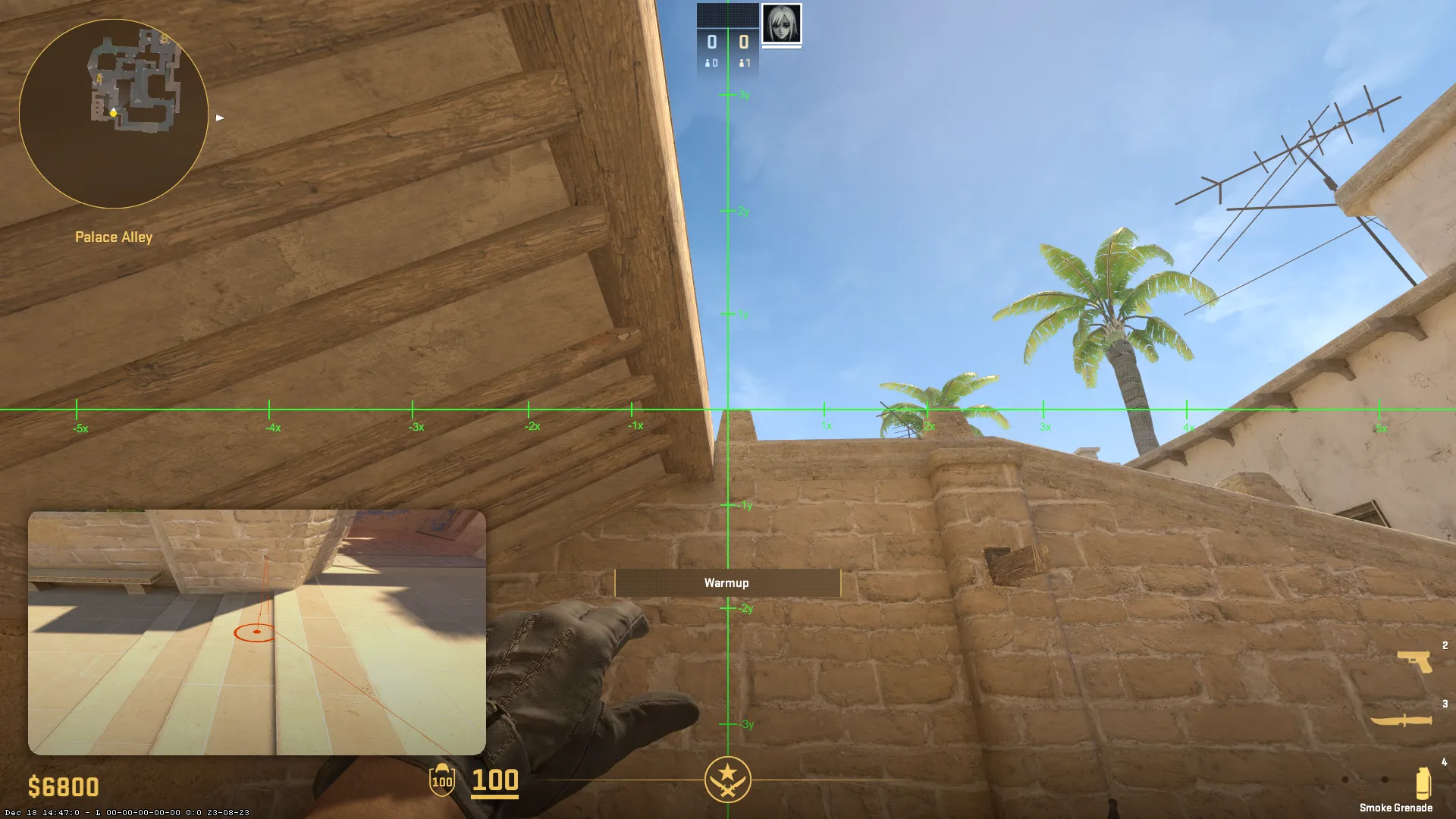
The completed Tetris smoke blocks all visibility from the elevated position while leaving the ramp area partially visible. This intentional gap allows terrorists to monitor for aggressive CT pushes while maintaining safety from the primary defensive angle.
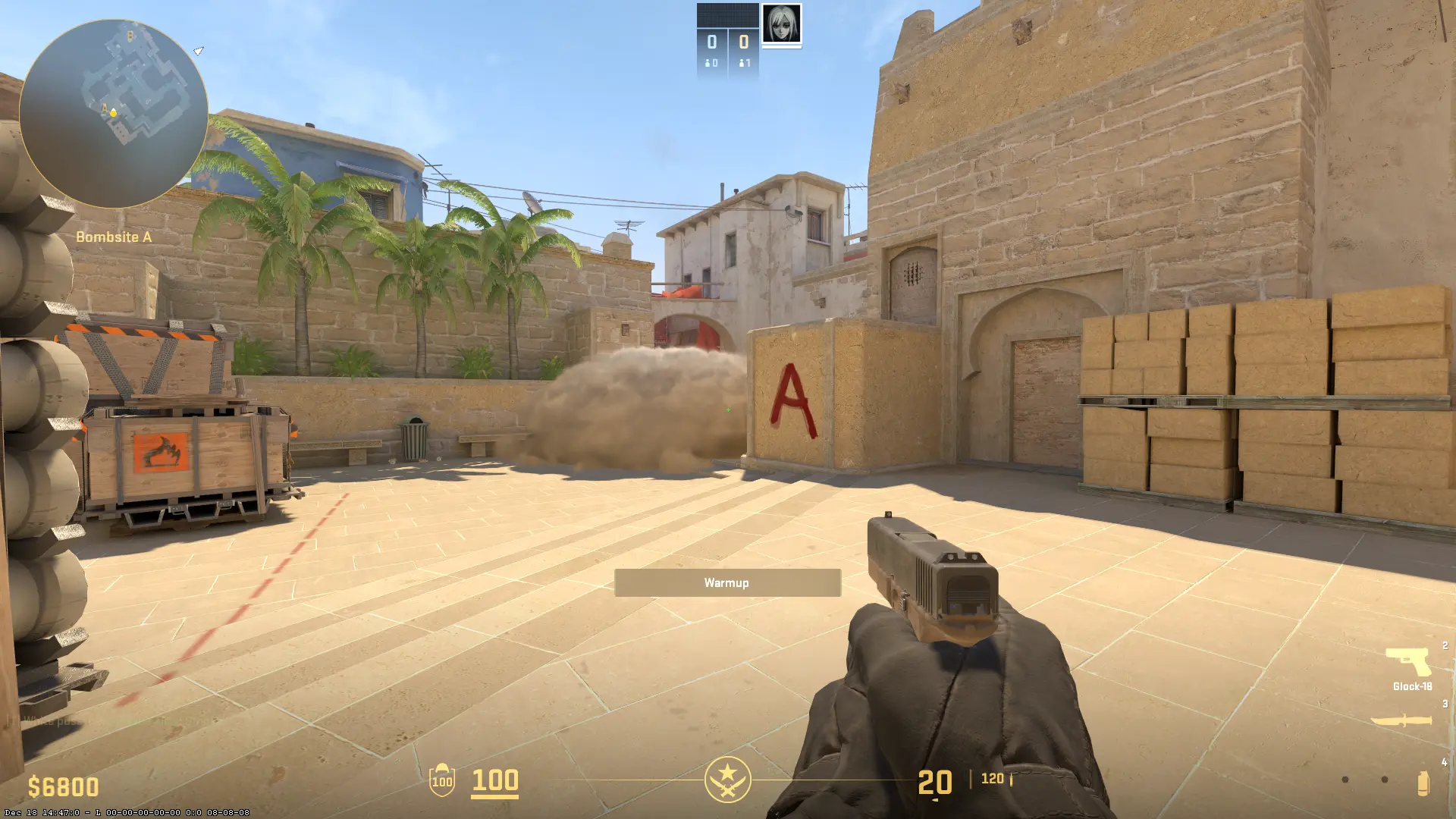
The CT spawn smoke completes the standard A site execute by preventing defenders from rapidly rotating into favorable post-plant positions.
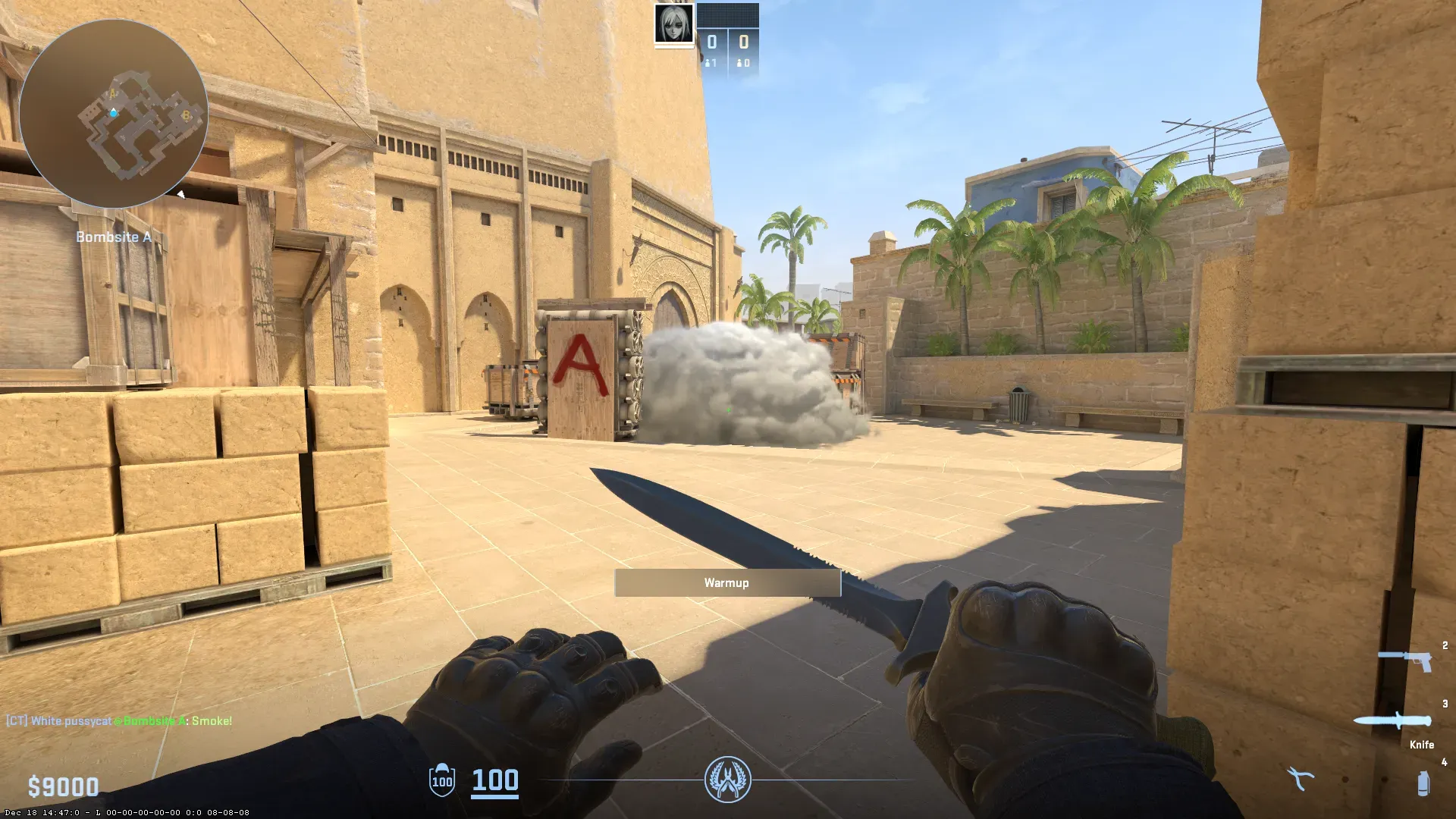
This smoke creates temporal advantage for CT by forcing T to either push blindly through the smoke or waste utility.
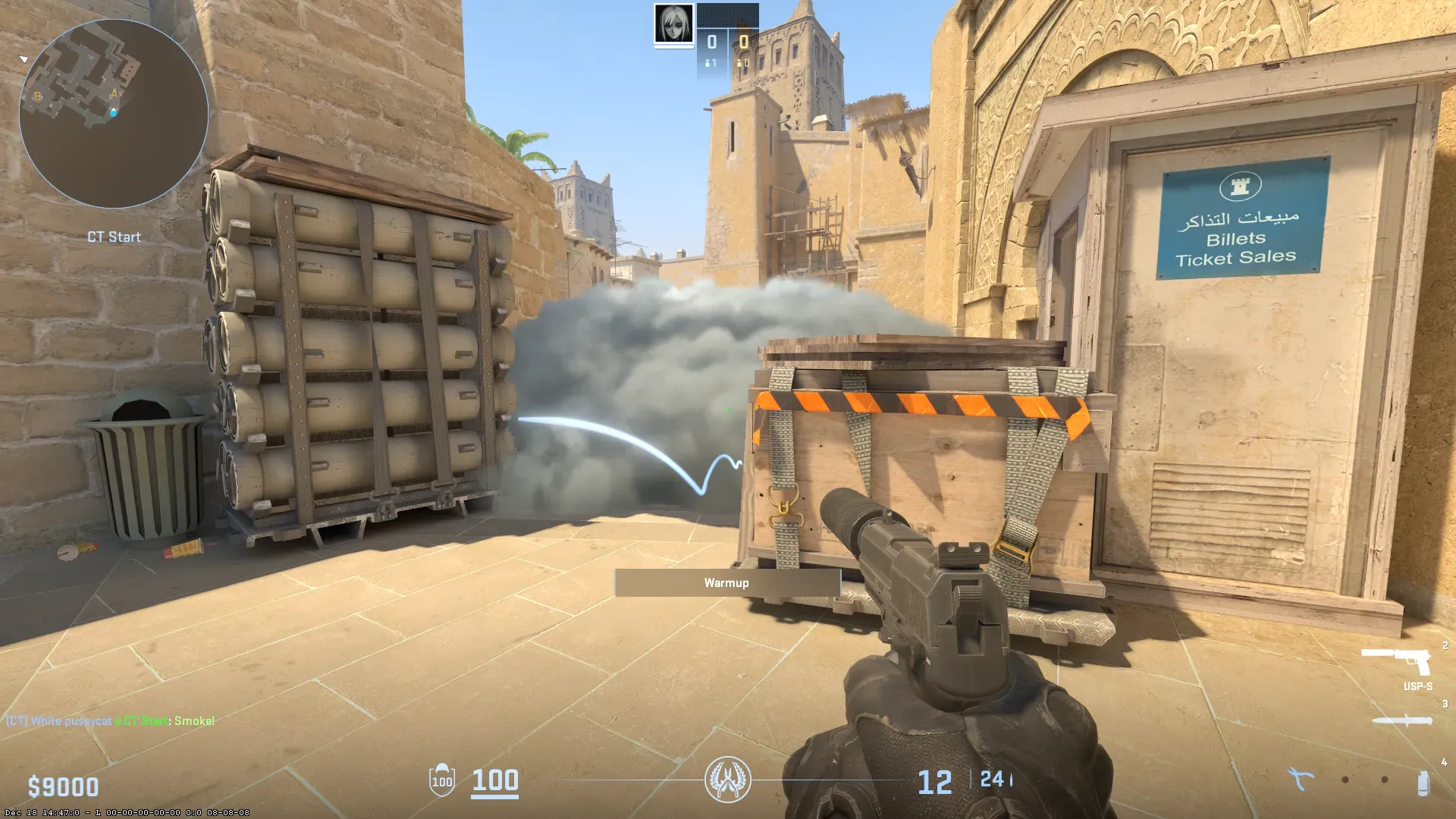
Additional smoke options for the ticket player is to throw this smoke which leaves them with a lot of options. Playing for information, going aggressive inside the smoke and staying there, or going aggressive and trying to play off-angles.
While smokes form the backbone of A site executes, molotovs provide essential area denial that prevents CT players from holding close angles or quickly retaking the site.
How to: hold left click - running throw.
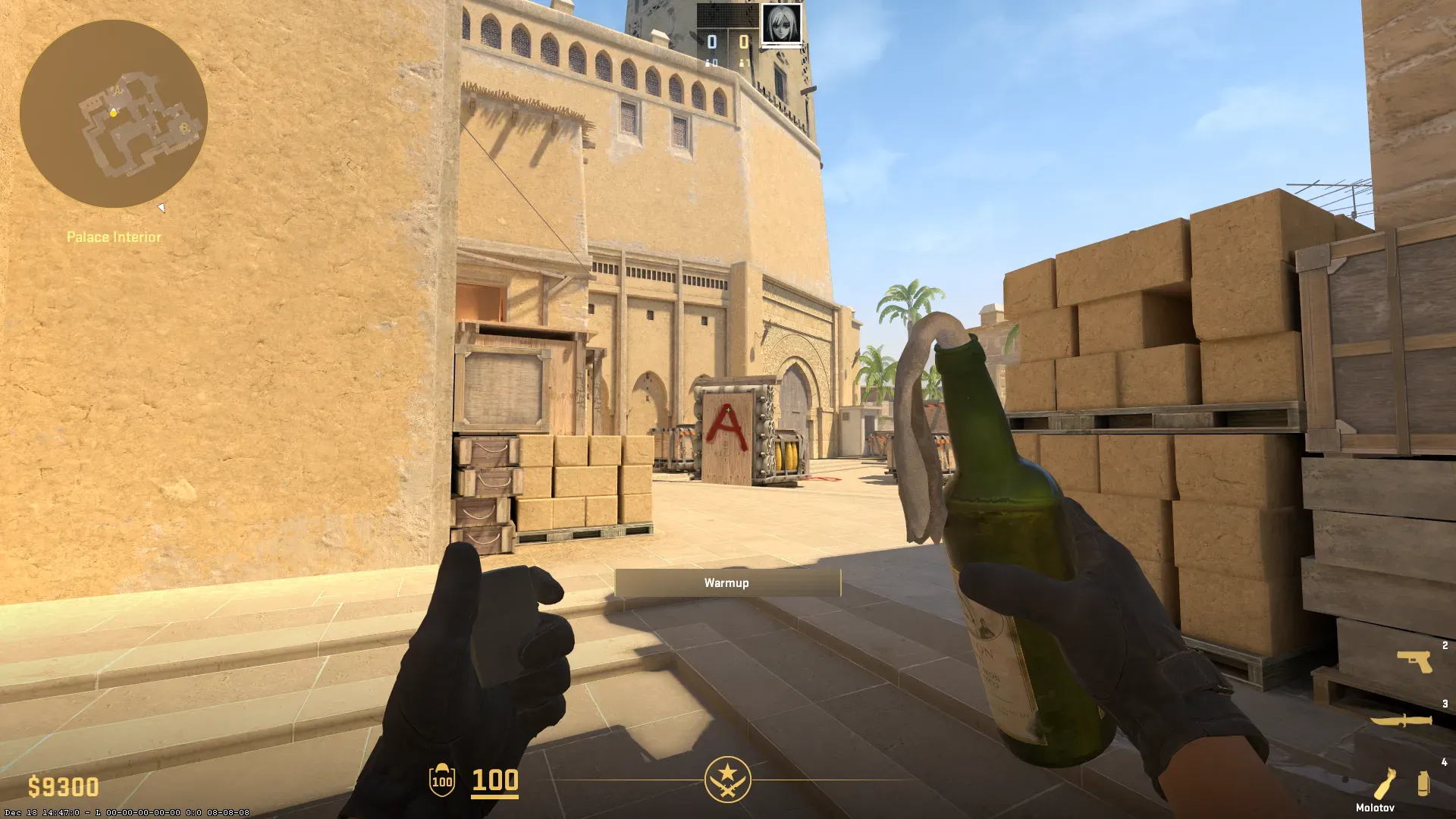
The under-palace molotov targets a common hiding spot where CT players often lurk to gather information or secure exit frags during terrorist retreats. This molotov forces defenders into more predictable positions while simultaneously clearing a dangerous cubby that might otherwise require physical clearing.
Understanding these fundamental positions and utility setups transforms how you analyze CS2 matches today and make informed betting decisions. When watching A site executes, you can now recognize whether teams execute complete or partial utility setups and predict how defenders will likely respond based on their positioning.
Professional teams rarely deviate dramatically from these fundamental principles because they represent the most efficient solutions to A site's tactical challenges. However, elite teams distinguish themselves through subtle variations, timing adjustments, and adaptive responses to opponent tendencies. Recognizing when a team executes textbook plays versus when they incorporate creative variations reveals important information about their strategic preparation and in-game reading ability.

The positions and utility lineups covered in this guide form the baseline knowledge that every professional player masters. When you're evaluating teams for your CS2 predictions, pay attention to which squads consistently execute these fundamentals under pressure. Matches often turn on which team better executes basic smokes, holds appropriate positions, and trades kills effectively rather than on revolutionary new strategies.
For spectators interested in analyzing professional matches or making informed predictions about match outcomes, recognizing these fundamental patterns provides crucial context. A team struggling to execute basic smoke setups or consistently losing duels from advantageous positions indicates deeper problems than simple unlucky rounds. Conversely, teams that demonstrate crisp utility usage and disciplined positioning even while losing rounds often represent better value than their current score might suggest.
This foundational knowledge about A site dynamics applies universally across skill levels in professional CS2. Whether watching tier-one international competition or regional qualifiers, these same principles govern successful play. The difference between the best CS2 players and average professionals often lies in execution consistency and the speed at which teams recognize and adapt to opponent patterns rather than in the fundamental concepts themselves.
Teams that master Mirage's A site typically demonstrate this proficiency across their entire map pool, making them safer bets in tournament settings. When analyzing matchups for live betting opportunities, consider whether both teams understand these fundamentals or if one squad shows consistent weaknesses in their A site approach.
ChaiViz
31.12.2025
Article TAGS