News Feed
Loading...
Loading...
Loading...
Loading...
Loading...
Loading...
Loading...
Loading...
Loading...
Loading...
News Feed
ChaiViz
07.01.2026
Most casual CS2 viewers watch professional Mirage matches without understanding the invisible battle that determines round outcomes. While spectators focus on highlight reel AWP shots or explosive B site executes, the real strategic warfare occurs in Mid, where teams establish the map control that makes everything else possible. Players at all levels struggle with Mid because they treat it as a simple corridor rather than the chess board it truly represents.
The first part of our Mastering Mirage series can be found over here
Understanding Mid control transforms how you analyze matches and make accurate CS2 predictions. When you recognize the utility patterns that elite teams deploy within the first 20 seconds of each round, you begin seeing why certain rounds develop the way they do. The team that controls Mid dictates the pace, creates rotational pressure, and opens up tactical options that overwhelm opponents. This guide breaks down the essential mechanics that professionals execute automatically but most players never properly learn.
Mid on Mirage connects every critical area of the map. Window room overlooks the entire corridor, Connector links directly to A sites, and Top Mid provides quick rotation paths. Terrorist teams need Mid control to split defenses and create multi-front pressure. Counter-Terrorist teams require Mid dominance to maintain rotational speed and prevent executes before they develop.
The economic mathematics of Mid control often go unnoticed. A CT player holding Mid with an AWP creates massive value by denying T information and forcing utility expenditure. When T side properly executes Window smokes, they invest $300 in utility but gain $4750 worth of positional advantage by neutralizing the AWP. The best CS2 players understand these economic trades instinctively, which explains why they invest heavily in early Mid battles.
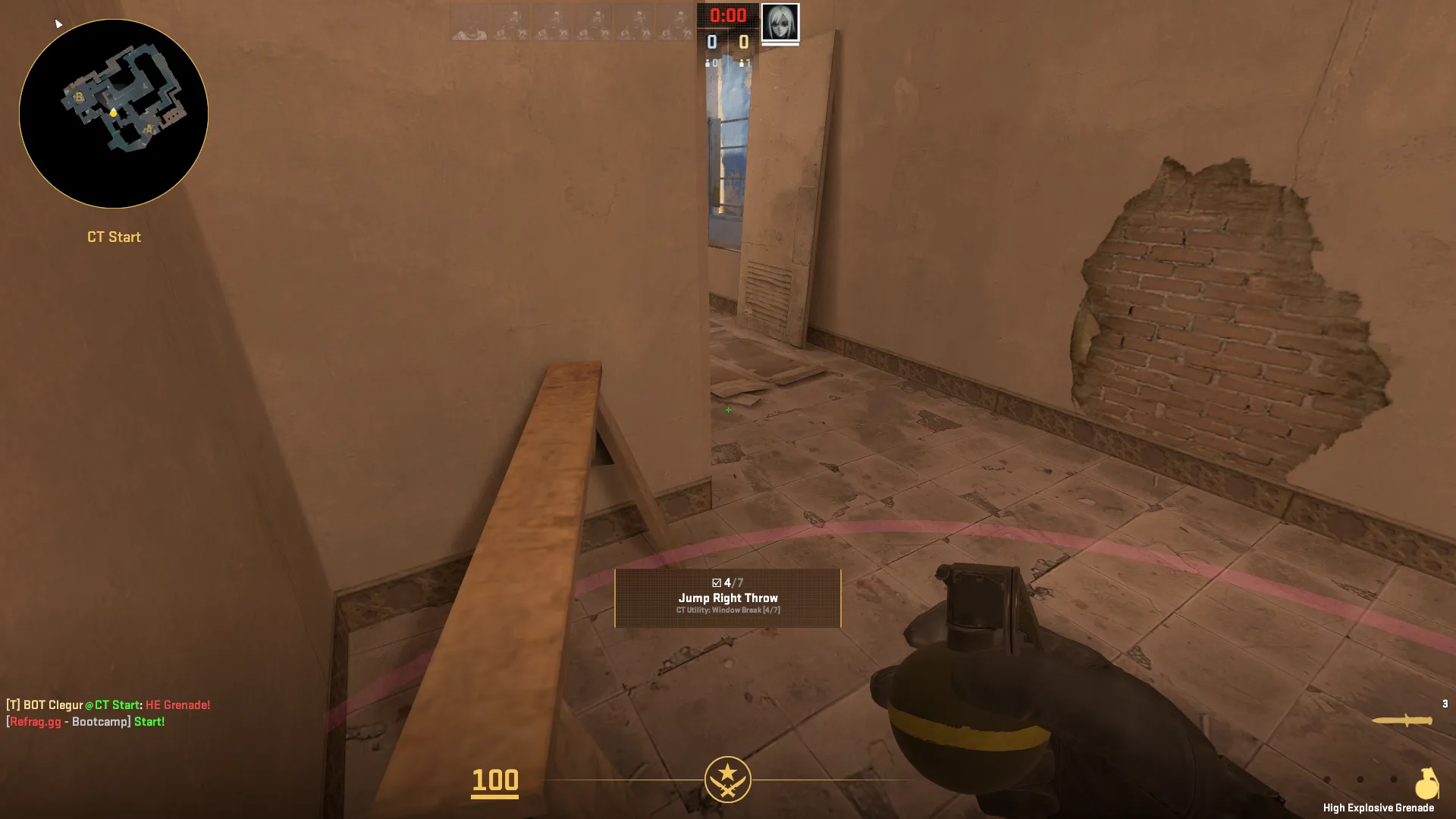
How to: Right click, jump throw
CT defensive grenade positioned to damage Ts pushing through window area.
Map timing creates the invisible framework for Mid battles. From T spawn, it takes approximately 12 seconds to reach mid positions. CT players arrive at Window in roughly 8 seconds, giving defenders critical early information advantages. Teams that master these timings coordinate utility to land exactly when opponents reach vulnerable positions, maximizing damage and psychological pressure.
Professional CT sides establish Mid control through layered defense that combines positioning, crossfires, and strategic utility. The Window player holds the most dangerous position, exposed to multiple angles but capable of massive impact. Secondary positions at Connector stairs and Catwalk provide trade potential and prevent T teams from gaining free map control.
The CT connector smoke disrupts T aggression before it develops. Thrown from Window or Catwalk positions, this smoke lands deep in Connector, blocking vision toward B apartments and forcing T players to commit blind or wait for the smoke to clear. Elite teams time this smoke to land approximately 15 seconds into the round when Ts typically make their first Mid push.
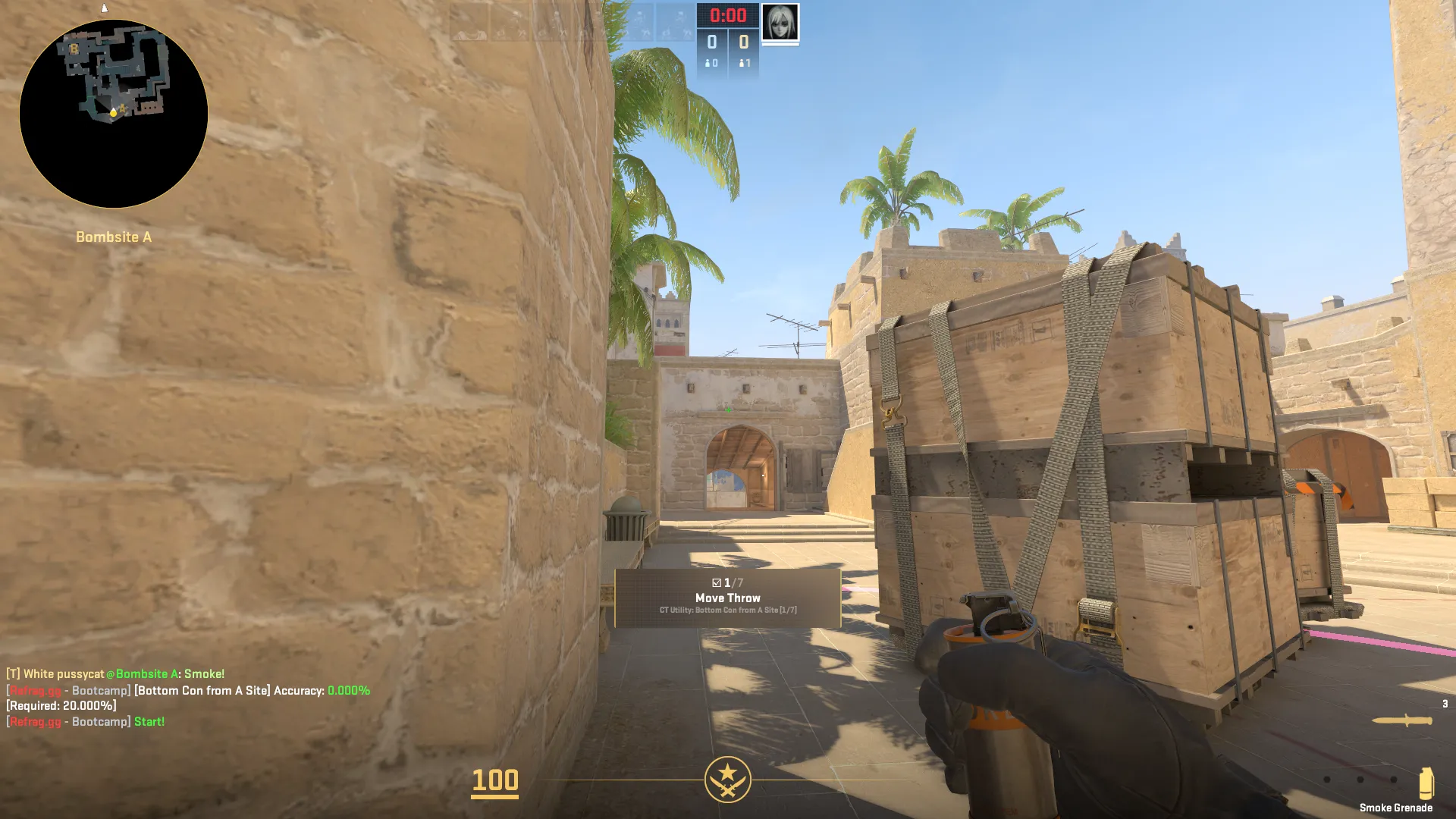
How to: Running throw.
CT smoke covering Connector to prevent T vision into A
CT utility sequences create crossfire opportunities that punish T aggression. When T players smoke Window, the CT window player can fall back to either Jungle or Connector stairs. The previous shown HE can clear the smoke for a crucial AWP shot. This repositioning maintains defensive integrity while preserving the gun. Alternatively, once the smoke is cleared, but the T’s gave information via sound, this top mid incendiary can flush them out.
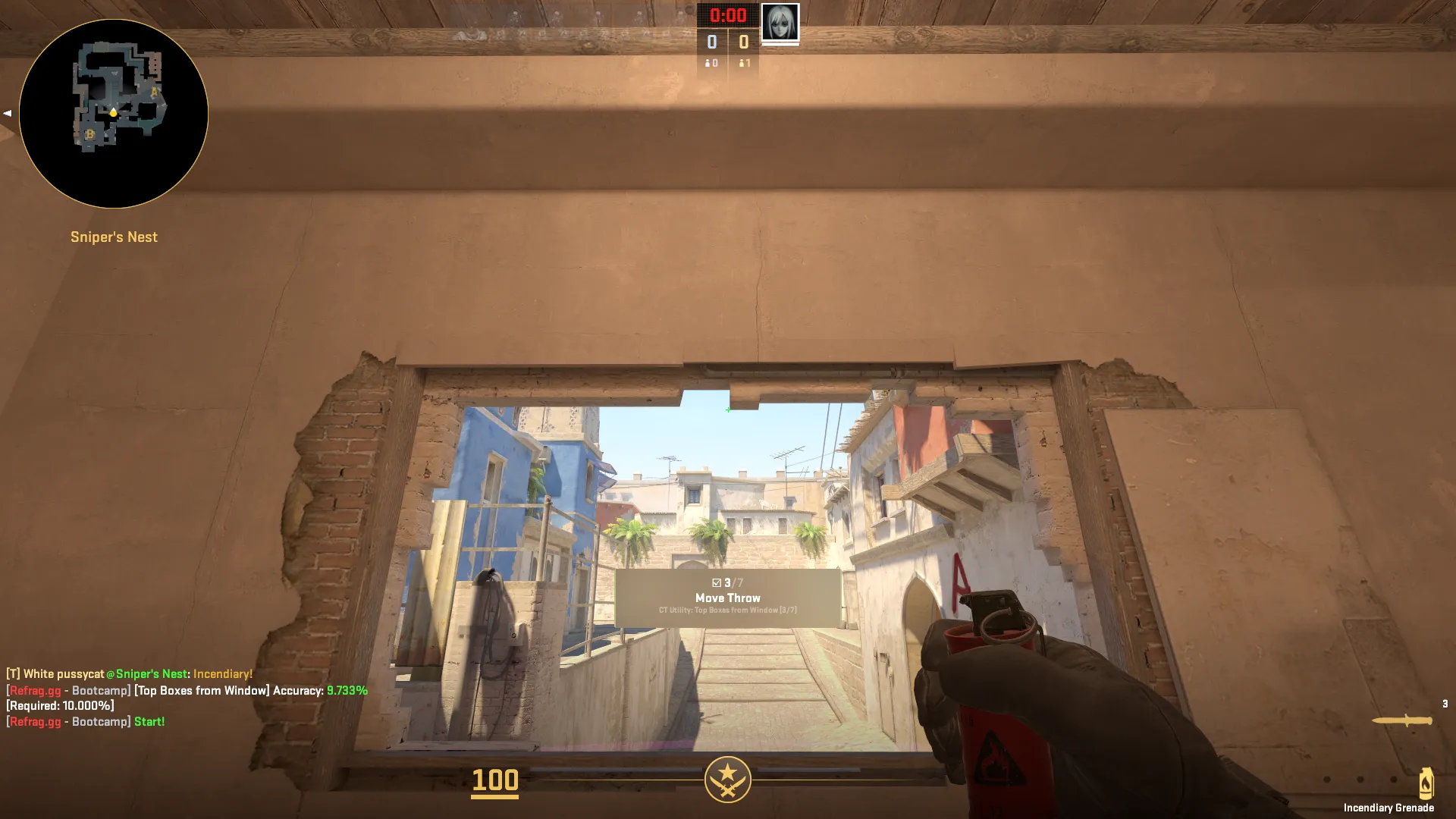
How to: Running throw.
The flashbang from Mid position exemplifies high-level CT play. Thrown over the Mid toward T stairs, this flash blinds aggressive T players attempting to establish presence. Timing this flash requires map awareness - throw it when your teammates call T movement or at the start of the round. Professional Window players coordinate these flashes with teammate peeks, creating devastating combinations.
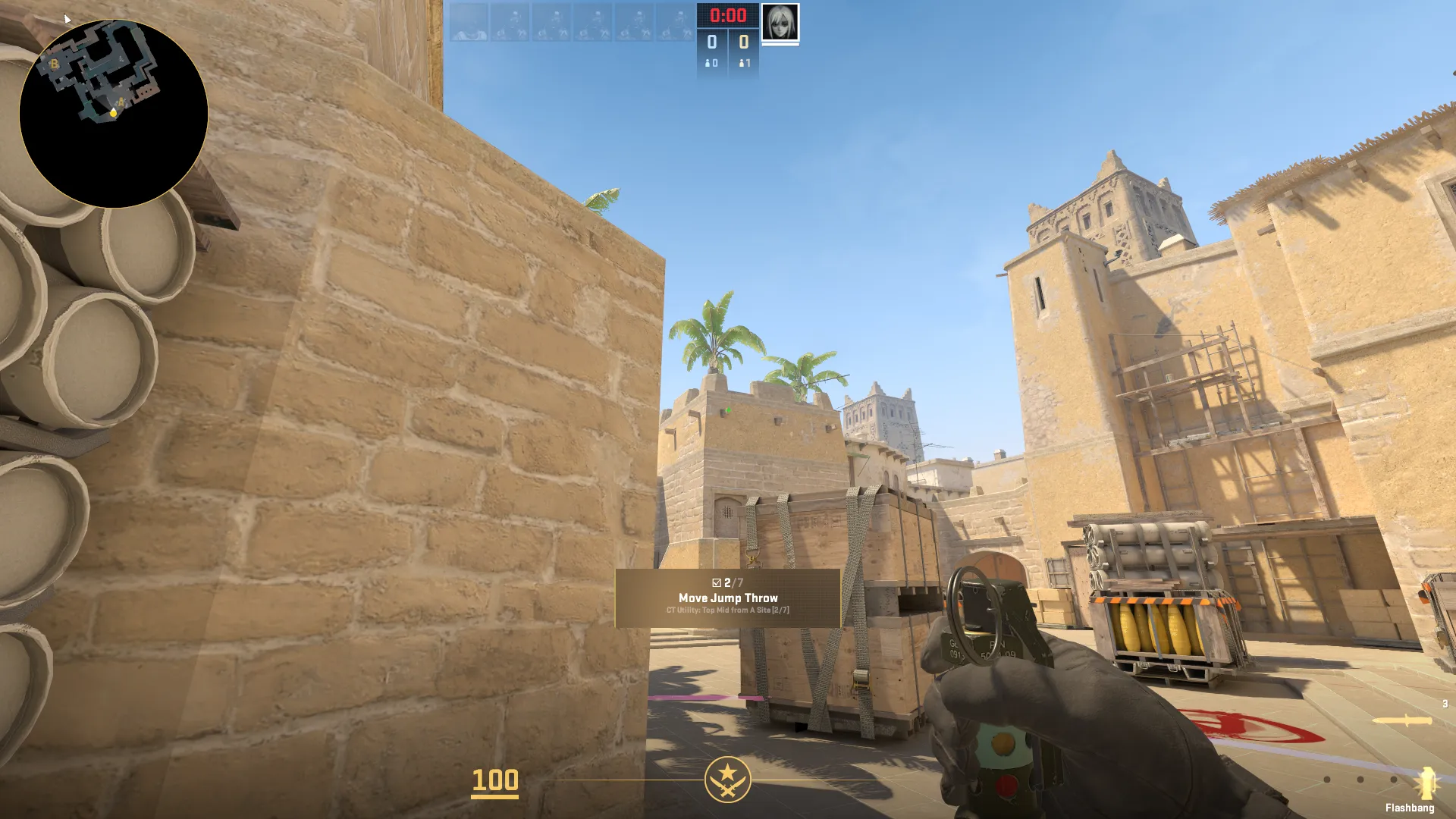
How to: Running jump throw.
Understanding these mechanics transforms your ability to make accurate CS2 predictions during live matches. When you watch teams battle for Mid control in the opening seconds, you can predict round outcomes based on which side establishes dominance. Teams that consistently lose Mid battles face exponentially harder defensive situations, which translates directly into predictable round losses.
Professional bettors recognize Mid control patterns that casual viewers miss. When a CT AWPer gets smoked out twice in the first three rounds, that team typically adjusts their Mid setup, which creates vulnerability elsewhere on the map. These micro-adjustments cascade into macro advantages that determine match outcomes. Your CS2 predictions become significantly more accurate when you track these patterns across rounds.
The economic impact of Mid control extends beyond individual rounds. Teams that dominate Mid force opponents into unfavorable utility trades and weapon purchases. Over the course of a half, this compounds into substantial economic advantages that become impossible to overcome. Tracking these economic patterns helps you predict when teams will eco or force buy, which dramatically improves live betting accuracy.
T side Mid control begins with the Window smoke, and surprisingly, most players still throw it incorrectly. The best CS2 players use five primary lineup positions that account for different spawn locations and strategic preferences.
How to: Hold shift and W, jump throw.
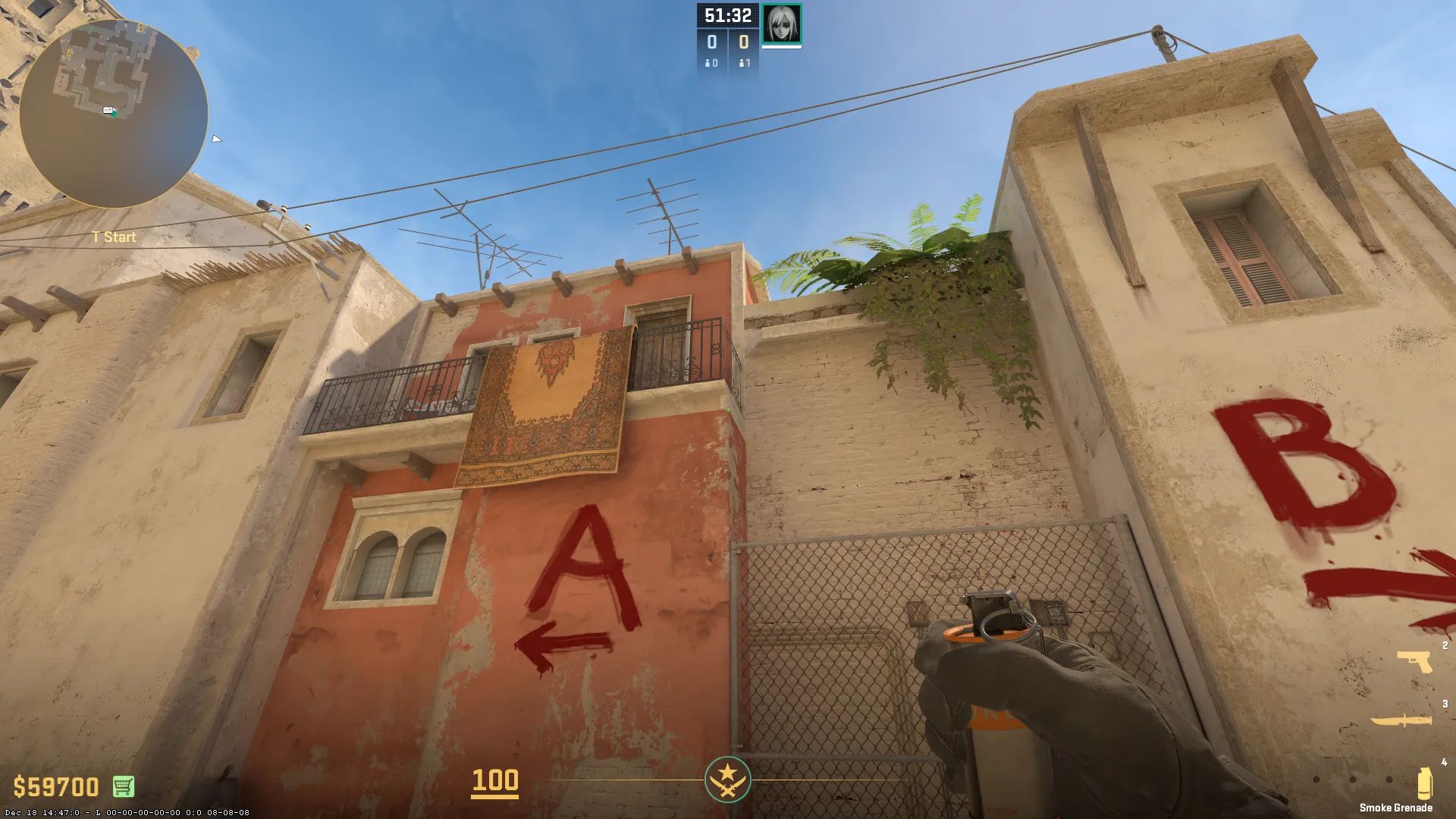
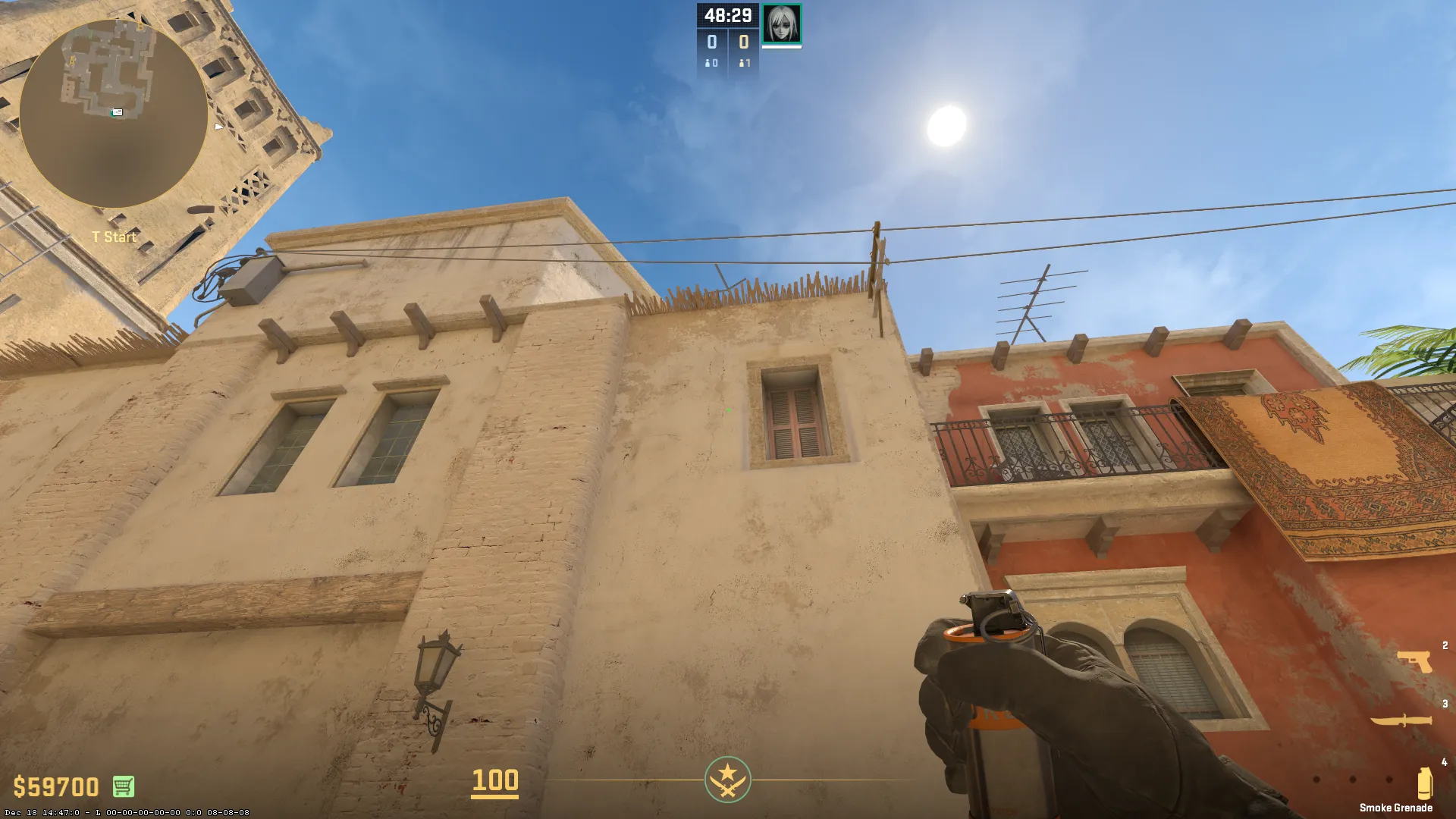
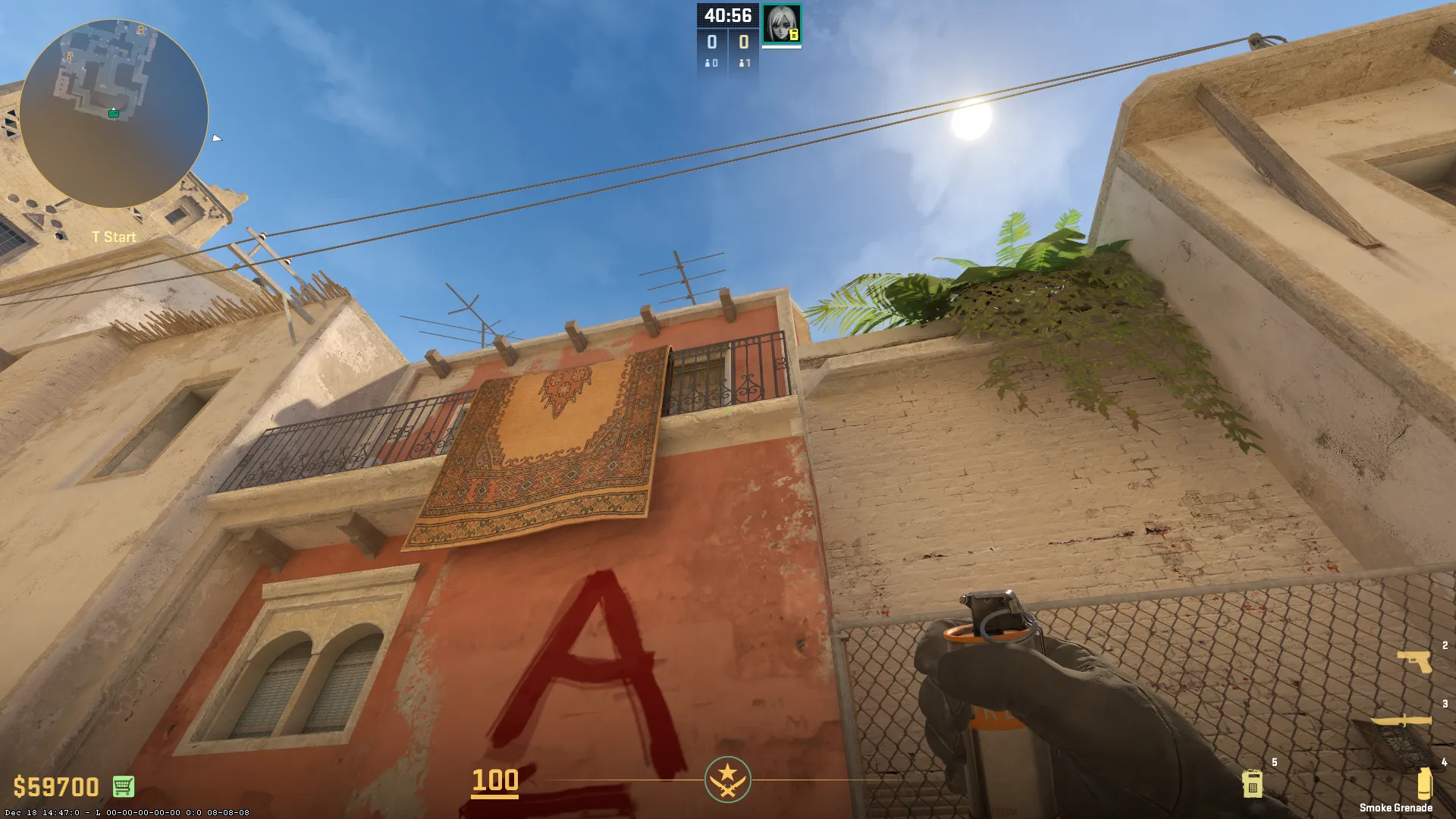
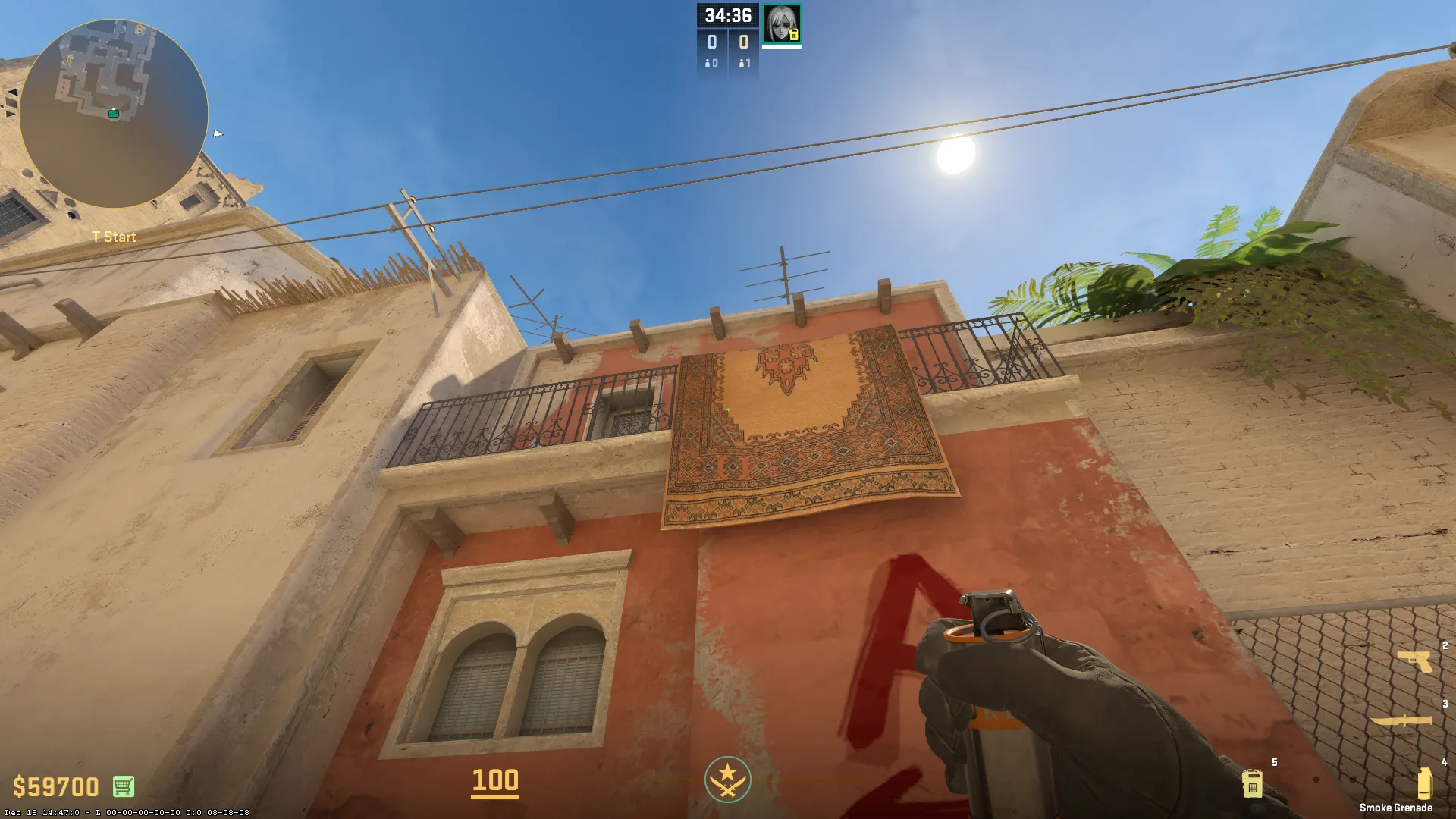
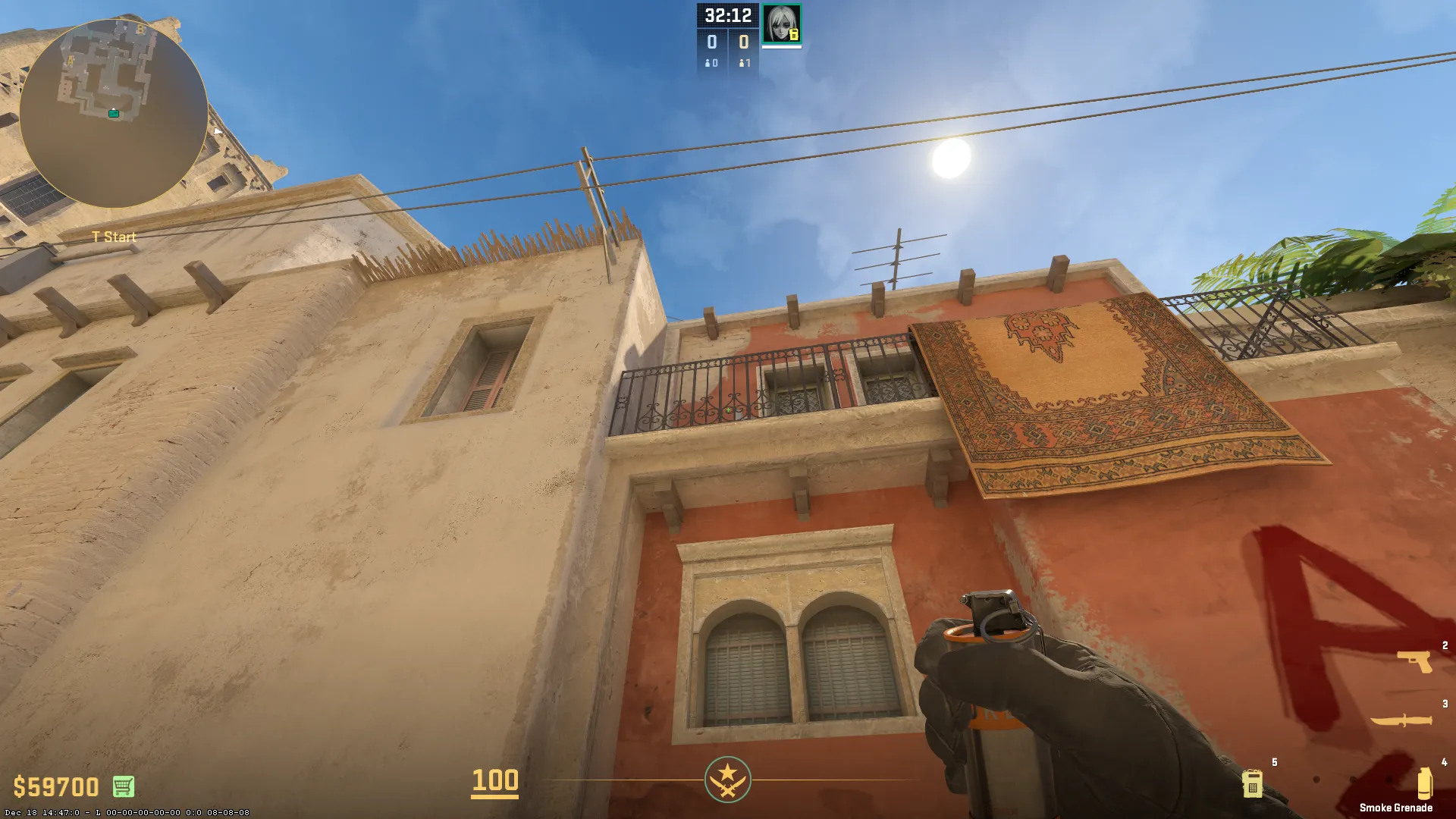
The Connector smoke from T side serves multiple strategic purposes. Thrown early, it prevents CT information gathering and forces defenders to play more passively. Thrown late, it isolates defending players and creates split opportunities. The standard lineup from Mid allows for consistent placement while maintaining safe positioning.
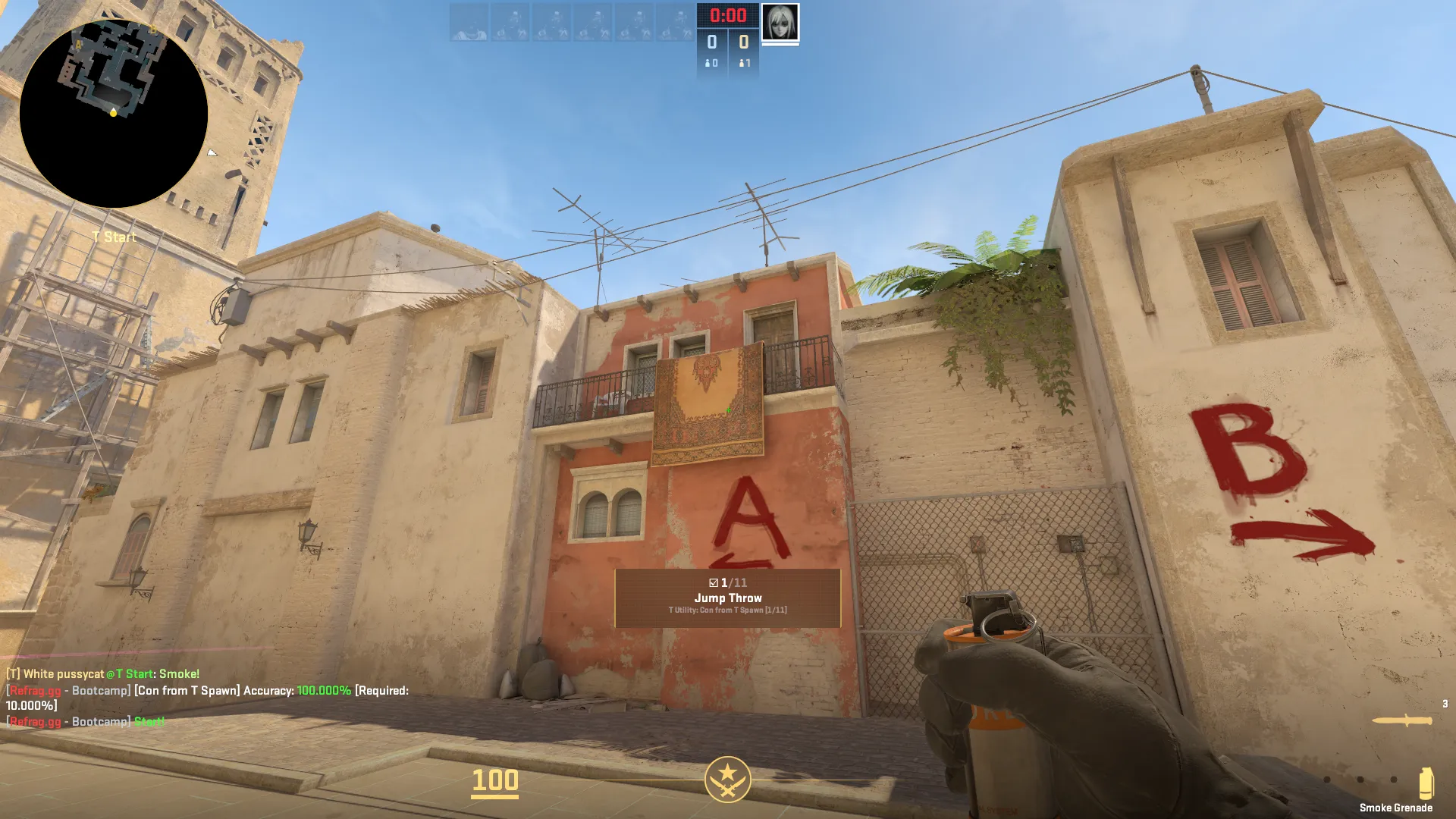
How to: jump throw.
T flashbangs in Mid separate competent teams from elite ones. The Mid flash thrown from stairs blinds Window players even through smoke and catches Connector defenders off-guard. Professional teams chain multiple flashes together, creating sustained blindness that allows teammates to establish dominant positions. The timing between flashes matters - throw them too quickly and defenders recover between each one. Space them correctly and defenders remain perpetually compromised.
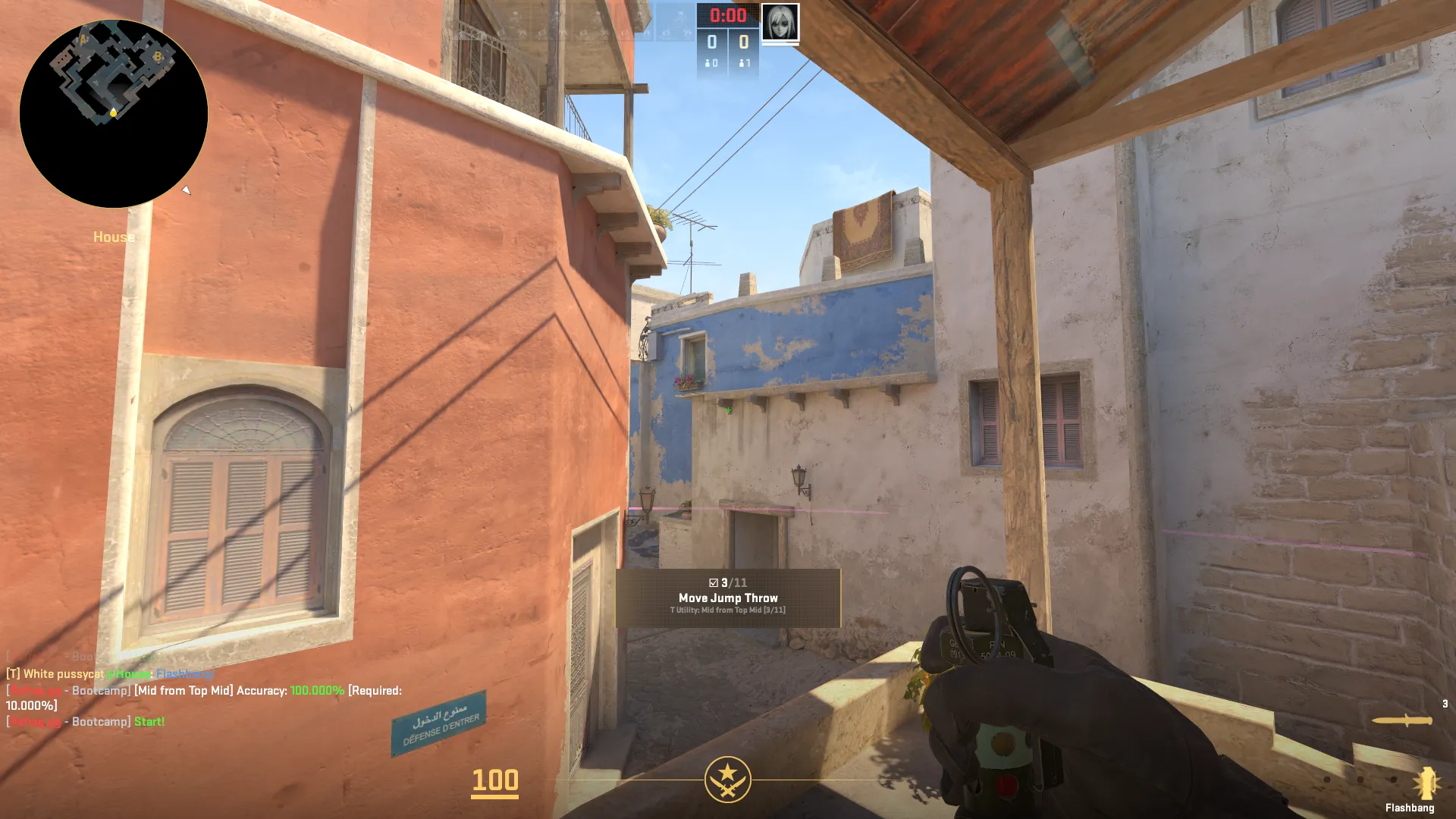
How to: running jump throw.
The Connector molotov from T side forces CT players off advantageous angles and creates timing advantages for site executes. When combined with Window smokes and coordinated flashes, this molotov completes a utility set that removes every defensive position simultaneously. The optimal throw timing comes after Window smoke lands, preventing CTs from repositioning before the fire blocks their escape routes.
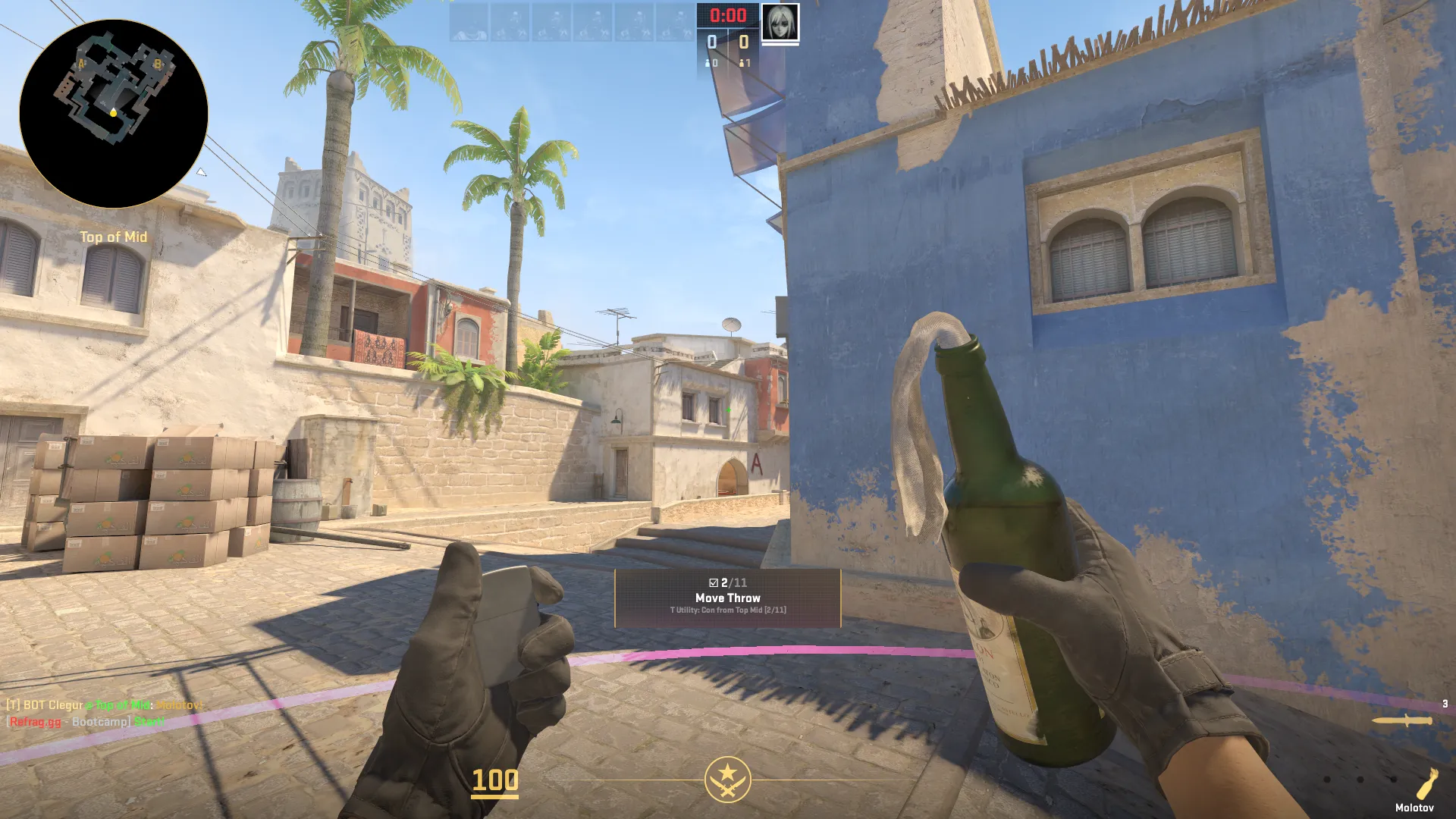
How to: running throw.
Watching CS2 tournaments reveals how consistently top teams execute these Mid control fundamentals. During high-stakes matches at events like BLAST Premier or ESL, teams demonstrate the mechanical precision that separates championship contenders from early exits. The utility sequences described in this guide appear in nearly every competitive Mirage match, though timing and combinations vary based on opponent tendencies.
Tournament analysis shows that teams with superior Mid control win approximately 65% of their Mirage matches. This statistical advantage comes from the positional flexibility that Mid dominance provides. Teams can fake toward A while preparing B executes, or split sites with players coming from three angles simultaneously. Defenders never know where the real pressure comes from, which creates hesitation that attackers exploit ruthlessly.
The best CS2 players in CS2 tournaments adapt their Mid approach based on opponent scouting. If they know the enemy CT prefers aggressive Window peeks, they throw earlier flashes and coordinate pre-fires. If the opponent plays passive, they invest less utility and use map control for fakes. This adaptive strategy requires understanding the foundational mechanics before implementing advanced mind games.
Professional teams layer utility into sequences that multiply effectiveness beyond individual grenades. The standard T Mid take uses Window smoke into Connector flash into position-specific mollies. This combination lands within a three-second window, overwhelming defenders who can't process multiple threats simultaneously. Teams drill these sequences in practice until they execute with military precision.
Fake executes showcase the highest tactical understanding. T teams throw Window smoke and Connector molotov without committing players, forcing CT rotations based on utility sounds alone. When CT players rotate toward A in response, T teams pivot to B with numerical advantages and minimal utility investment. Reading these fakes requires understanding the commitment patterns that distinguish real executes from deceptions.
Counter-utility represents the chess match within the chess match. CT teams throw Window smokes to prevent T snipers from holding angles. T teams throw second Window smokes immediately after the first clears, maintaining vision control. These utility duels consume economic resources but provide critical advantages worth far more than the monetary cost.
Individual mastery of these utility lineups elevates personal gameplay dramatically. Players who consistently smoke Window from multiple positions earn space for their teams. AWPers who perfectly time defensive flashes frustrate aggressive opponents and shut down executes. The mechanical advantage creates psychological pressure that compounds across the entire match.
Map control economics justify utility investment in Mid battles. Trading $300-500 in grenades for $3000+ in forced CT repositioning or killed players represents profitable exchanges. Professional teams calculate these trades constantly, which explains their willingness to throw four grenades to gain a 15-second window of Mid control.
Your own gameplay benefits directly from this knowledge. Practice each utility lineup in offline servers until muscle memory replaces conscious thought. Coordinate with teammates to layer utility sequences rather than throwing grenades randomly. Recognize when opponents use standard patterns and adjust your positioning accordingly. These micro-improvements compound into substantial competitive advantages.
This utility foundation transforms your viewing experience of professional matches and your ability to make informed CS2 predictions. When Team Spirit takes Mid control in the opening seconds against NAVI, you now recognize the specific grenade sequences that create their advantages. When FaZe's karrigan calls an A execute, you understand why the Mid smoke and Connector molotov precede the bomb plant.
Live betting becomes significantly more profitable when you track Mid control across rounds. If a team loses Mid control three consecutive rounds but suddenly establishes dominance in round four, they're likely preparing a major site execute. This signals a high-probability round win that casual bettors miss entirely. Your CS2 predictions improve dramatically when you recognize these tactical shifts as they develop.

The psychological dimension matters as much as the mechanical execution. Teams that consistently win Mid battles establish dominance that affects opponent decision-making throughout the match. Defenders become hesitant, second-guessing their positioning. Attackers grow predictable, forcing utility trades out of fear rather than strategic necessity. Understanding these dynamics helps you predict momentum shifts before they appear on the scoreboard.
ChaiViz
07.01.2026
Article TAGS