ChaiViz
27.06.2025
The opening day of PGL Wallachia Season 5 playoffs delivered exactly the kind of upset-filled drama that makes double elimination brackets so compelling. While some favorites maintained their form, the defending champions reminded everyone why experience matters most when million-dollar stakes create championship-defining moments.

The day's most compelling storyline emerged from the Aurora Gaming vs Team Liquid matchup, where the defending Wallachia champions proved that tournament experience becomes invaluable under playoff pressure. After dropping the opening game, Liquid demonstrated the kind of mental resilience that separates championship teams from talented squads that crumble when elimination becomes a possibility.
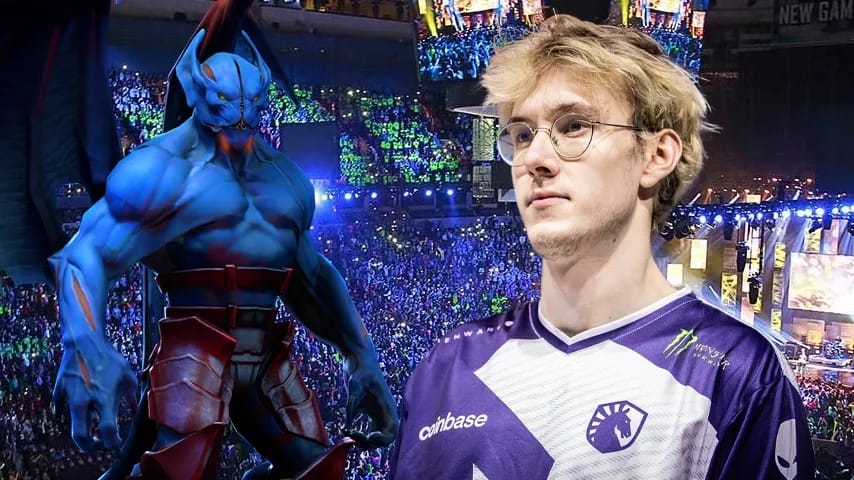
Game 3 showcased everything that makes playoff Dota 2 so captivating. SabeRLight-'s Night Stalker performance became the decisive factor in Liquid's 2-1 series victory, completely dominating the vision war that determined map control throughout the crucial late-game phases.
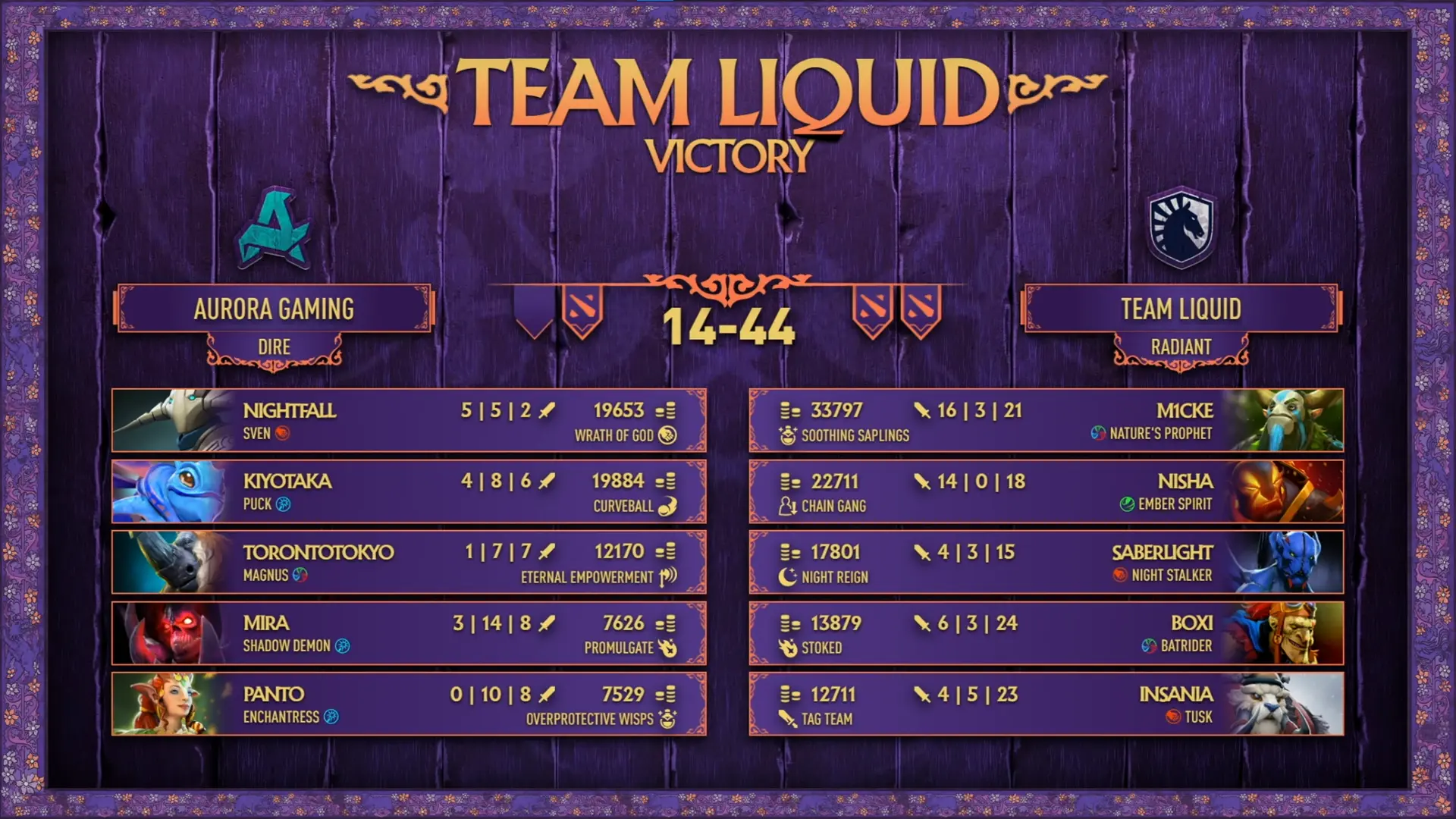
The Night Stalker pick proved particularly brilliant against Aurora Gaming's draft composition. SabeRLight- systematically dismantled Aurora's vision game, neutralizing their Puck's mobility and rendering their Shadow Demon's positioning ineffective. Most importantly, he won the critical battle for map control against Aurora's Magnus, denying the key initiation opportunities that Aurora needed to execute their team fight strategy.
This victory moves Liquid significantly closer to their third Wallachia championship, having previously claimed both Season 3 and Season 4 titles. Their championship pedigree showed throughout the series, particularly in their ability to adapt their draft strategy and tactical approach between games.
Gaimin Gladiators justified their tournament favorites status with a solid 2-1 victory over Tundra Esports, though the series proved more competitive than many analysts expected. Tundra's ability to take a game off the group stage leaders demonstrates that no team can afford conservative approaches in this playoff format.
The victory keeps Gaimin Gladiators in the upper bracket with momentum intact, but their occasional struggles against Tundra's aggressive early-game approach might provide valuable scouting information for future opponents. Teams that can match Gladiators' tempo while avoiding late-game mistakes could create problems in subsequent rounds.
The day's biggest surprise came from Xtreme Gaming's 2-1 victory over Natus Vincere, proving that teams entering playoffs with survival mentality can be extremely dangerous opponents. Having fought through yesterday's elimination matches to reach the playoffs, Xtreme Gaming showed no fear against a Na'Vi squad that many considered more talented on paper.
This upset reshuffles the entire playoff dynamic, sending Na'Vi to the lower bracket where they'll face immediate elimination pressure in subsequent rounds. For Xtreme Gaming, the victory validates their group stage survival run and positions them for a potential cinderella tournament run.
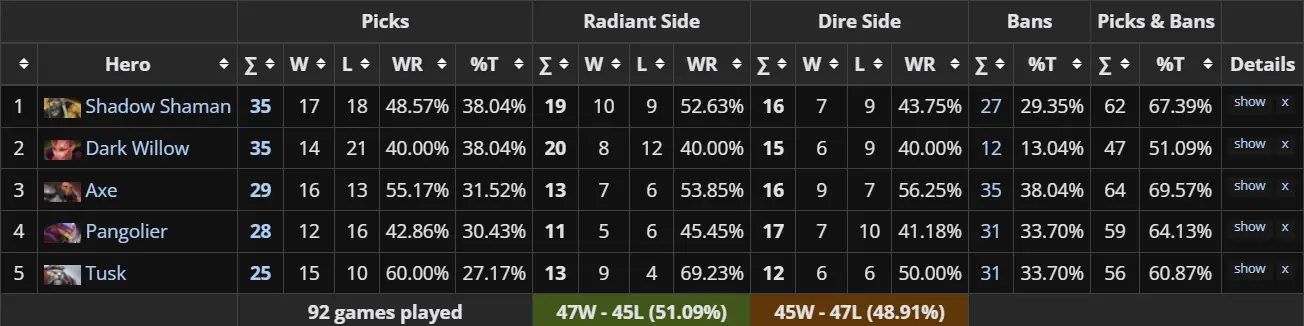
Day 1's matches revealed several important meta developments that will influence tomorrow's strategic approaches. Night Stalker emerged as a particularly valuable pick, not just for SabeRLight-'s dominant performance but for its ability to control vision against mobile cores that rely on map positioning.
The hero statistics from opening day show clear trends toward aggressive early-game compositions, but teams that can transition effectively to late-game scenarios maintain significant advantages. Liquid's comeback victory exemplifies how championship-level teams can adapt their strategies mid-series when initial approaches prove ineffective.
Shadow Shaman and Dark Willow continue showing strong performance rates, while Axe's versatility in both aggressive and defensive lineups makes it a priority pick for teams seeking draft flexibility. Teams advancing to Day 2 will likely prioritize heroes that offer multiple strategic options rather than committing to single-dimensional approaches.
The double elimination format's psychological advantages became apparent throughout Day 1's action. Upper bracket teams entered their matches knowing that mistakes wouldn't end their tournament runs, allowing for more experimental approaches and aggressive risk-taking that often produces spectacular plays.
Teams relegated to the lower bracket now face completely different pressure dynamics. Every subsequent match becomes an elimination scenario, fundamentally changing how teams approach draft strategies and in-game decision-making. This pressure often separates teams that can handle championship stakes from those who crumble when tournament survival becomes the primary concern.
The next phase of the playoffs promises even higher stakes as the bracket structure creates immediate elimination pressure for lower bracket teams while upper bracket survivors gain valuable preparation time and psychological momentum. The tournament format ensures that Day 2 will feature teams playing with completely different motivational frameworks.
Teams like Na'Vi and Aurora Gaming must now prove they can handle elimination pressure while maintaining the aggressive play-making that creates championship moments. Meanwhile, upper bracket survivors like Liquid and Gaimin Gladiators can focus on strategic refinements rather than fundamental survival concerns.
The remaining playoff field has already proven that upset potential exists throughout the bracket, making tomorrow's prediction challenges particularly compelling for analytical viewers who understand how pressure affects different team personalities.
Don't miss tomorrow's playoff action as the championship bracket continues narrowing toward Sunday's grand final. Lock in your Day 2 Pick’ems before matches begin to test your analytical skills against the evolving playoff dynamics.
ChaiViz
27.06.2025
Article TAGS
News Feed
BLAST Slam VII's $1 million playoff bracket is set and Team Falcons are the pick to reach the grand final in Copenhagen, but PARIVISION's DreamLeague title and LGD's dominant group stage run make every upper bracket match a serious test.
At just 22, Yatoro has already claimed two International titles, won two additional Tier 1 tournaments in 2025 alone, and become the first reported player ever to reach 17,000 MMR. This is the story of Dota 2's most dominant carry.
Team Liquid swept reigning TI champions Team Falcons 3-0 in the grand final of 1win Essence II, the last major Dota 2 event before The International 2026, delivering a massive momentum statement heading into the world championship.
From a hacked Garena account to a world championship, Saksa's journey through professional Dota 2 is one of the most compelling stories in the game. The TI-winning Macedonian veteran is back near the top of the scene, and he is just getting started.


Dota 2's offseason rumor mill is running hot with retirement whispers, disbandment threats, and roster reveals stacking up across multiple top organizations. Here's every thread worth tracking before the official announcements land.
Six days of group stage Dota 2 are done, and four teams go straight to the playoffs. Here is the full EWC 2026 group stage recap and our picks for who survives the gauntlet on July 14.

PARIVISION bulldozed through the Dota 2 Esports World Cup 2026 without breaking a sweat, winning 12 straight matches and dispatching BetBoom Team 3-1 in the Paris grand final to cement themselves as the undisputed favorites for The International 2026.
Twenty-four teams, four groups, one shot at Paris glory. Here are our picks for the two sides that will escape each group at the Esports World Cup 2026.
Danil "gpk" Skutin is one of Dota 2's most mechanically gifted midlaners, a player who climbed from regional obscurity to over $1.4 million in career earnings. Here's the story of how he got there.
Team Vision is chasing a perfect Swiss stage at The International 2026 while Nigma Galaxy stuns Iron Wing, Team Yandex hits its first real speed bump against Aurora, and LGD and Resilience deliver one of the longest three-game series in the tournament's history.