News Feed
Loading...
Loading...
Loading...
Loading...
Loading...
Loading...
Loading...
Loading...
Loading...
Loading...
News Feed
levelzjee
31.12.2024
The competitive Dota 2 scene in 2025 is shaping up to be one of the most dynamic in recent years. With key developments, major events, and emerging trends, fans can expect an exciting year for iconic esports.
The removal of the Dota Pro Circuit (DPC) system has opened the door for third-party organizers to host a diverse array of tournaments. A minimum of 14 S-Tier events are already confirmed for 2025, including marquee competitions like:
The International (TI): The crown jewel of Dota 2, scheduled for September–October with a multi-million-dollar prize pool.
Riyadh Masters: Part of the Esports World Cup, featuring top teams and a "life-changing prize pool."
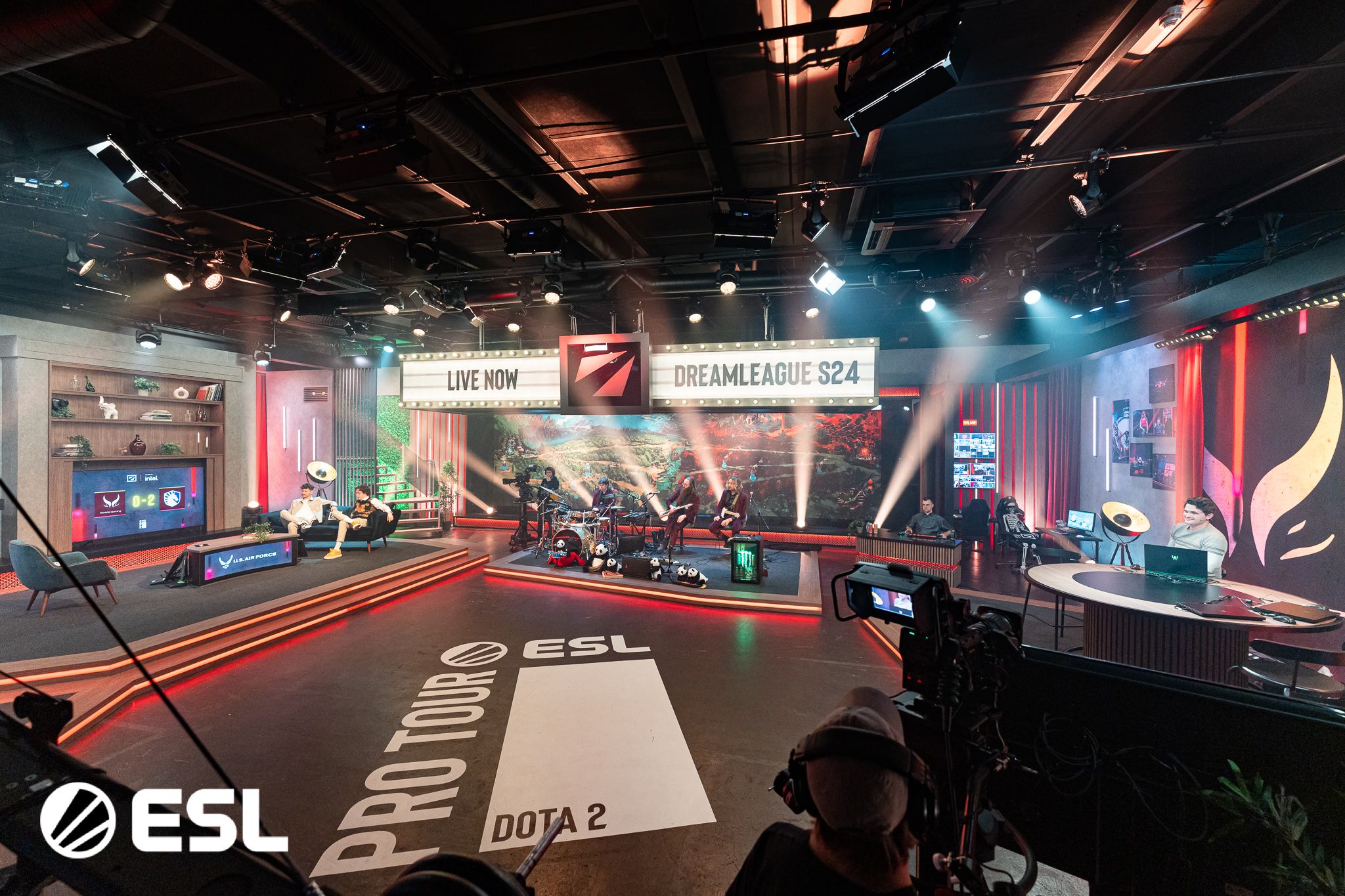
DreamLeague: Multiple online seasons maintaining their reputation for high-stakes competition.
This shift to a more flexible schedule allows teams to prioritize specific events, creating opportunities for underdog teams to shine and adding diversity to the competition.
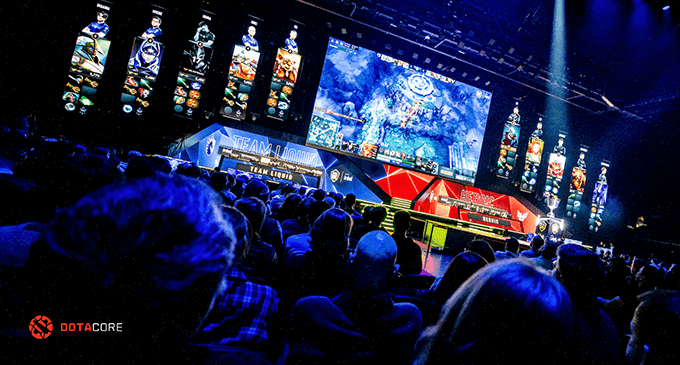
The post-TI period has brought what many are calling the "biggest reshuffle in history." Tier-1 teams are overhauling their lineups, and promising players like Andrey “Dukalis” Kuropatkin are emerging as stars to watch. Regions like Eastern Europe and Southeast Asia are also becoming hotbeds for rising talent, ensuring fresh dynamics in the competitive scene.
Valve’s regular updates are expected to introduce new heroes, map changes, and potentially new game modes. These changes will keep the meta evolving as teams adapt their strategies, leading to shifts in hero popularity and gameplay approaches.
AI-driven training tools are transforming how players prepare for matches, while technologies like AR/VR are enhancing fan engagement. User-generated content (UGC) is also gaining traction, reshaping how publishers and communities interact.
Regions like South Asia, MENA (Middle East and North Africa), and Eastern Europe are expanding their presence in the global esports ecosystem. This regional diversification is expected to bring new talent and fanbases into the fold, further enriching the competitive scene.
The International 2025: The ultimate Dota 2 competition.
DreamLeague Seasons: Online seasons that consistently deliver top-tier action.
Riyadh Masters: A highlight of the Esports World Cup.
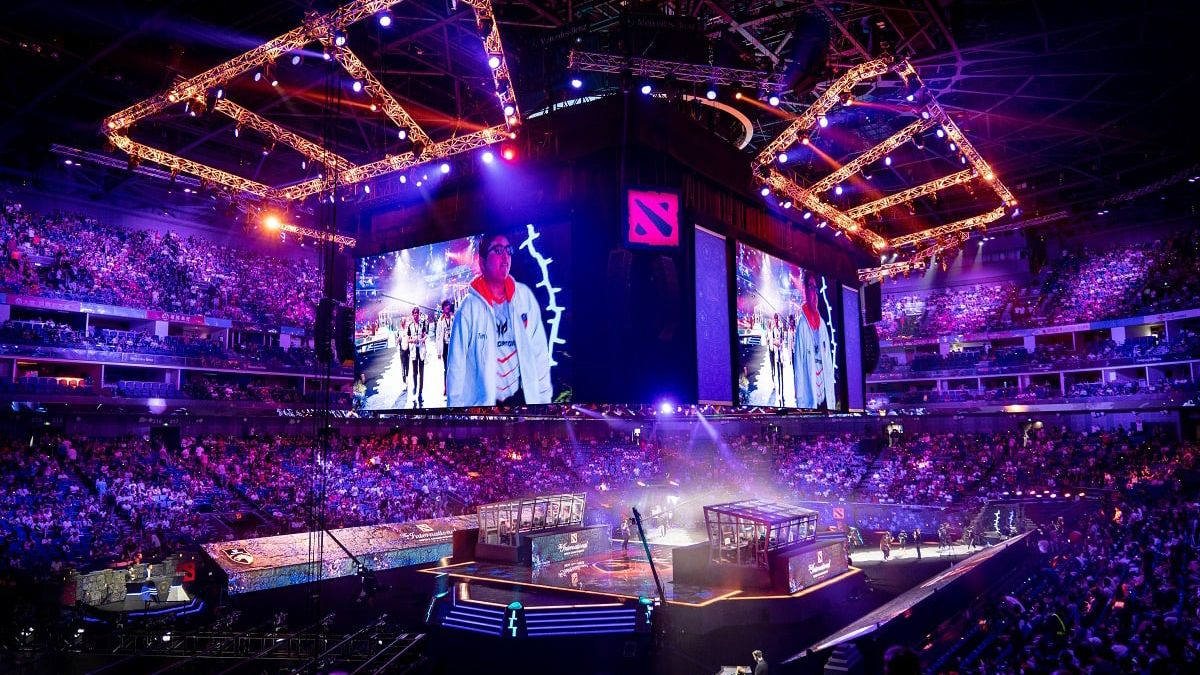
Dota 2 faces stiff competition from other titles like VALORANT and mobile esports games. However, opportunities lie in untapped markets, technological innovation, and community-driven content creation. Valve’s ability to address these areas will be crucial for sustaining the game’s relevance.
The competitive Dota 2 scene in 2025 is poised for growth, driven by expanded tournaments, fresh talent, and innovative gameplay mechanics. While challenges remain, the game’s deep strategic complexity and passionate community ensure it will continue to thrive as a cornerstone of esports.
FISSURE PLAYGROUND #1 (January 24–February 2) - $1,000,000
BLAST Slam II (February 3–February 9) - $1,000,000
DreamLeague Season 25 (February 16–March 2) - $1,000,000
PGL Wallachia Season 3 (March 8–March 16) - $1,000,000
ESL One Raleigh 2025 (April 7–April 13) - $1,000,000
PGL Wallachia Season 4 (April 19–April 27) - $1,000,000
BLAST Slam III (May 5–May 11) - $1,000,000
DreamLeague Season 26 (May 12–May 25) - $1,000,000

levelzjee
31.12.2024
Article TAGS