ChaiViz
Battle Report: Dota 2's Week in Review
Welcome to this week's Battle Report, your quick-hit digest of the biggest stories shaking up the Dota 2 competitive scene. From roster earthquakes at Virtus Pro to match-fixing allegations and experimental gameplay innovations, the past seven days delivered drama, intrigue, and a glimpse at what could be the future of how we experience competitive Dota 2.
Virtus Pro Completes Roster Overhaul
Virtus Pro made waves this week with a complete restructure of their roster, bringing in fresh talent while parting ways with longtime contributors. The organization announced that Jonáš "SabeRLight-" Volek would join as their new offlaner, adding serious international pedigree to the lineup.

SabeRLight- arrives with an impressive résumé, having competed for TSM, Shopify Rebellion, and most recently Team Liquid. His 2025 campaign with Liquid proved particularly successful, contributing to three major tournament victories. The Czech player brings the kind of proven championship experience that Virtus Pro needs as they prepare for DreamLeague.
The changes did not stop there. Days later, Virtus Pro announced the signing of Kirill "Hellscream" Lagutik as their new soft support. The addition of Hellscream represents a significant shift in the team's support dynamic and comes with considerable expectations as DreamLeague approaches.

These arrivals meant departures. Vladislav "Antares" Kertman, who had served as the team's soft support since April 2024, was benched to make room for Hellscream. The organization thanked Antares for his professionalism and willingness to improve, acknowledging his contributions during his time with the club. While being benched is never easy, the move signals Virtus Pro's commitment to finding the right chemistry ahead of crucial upcoming competitions.
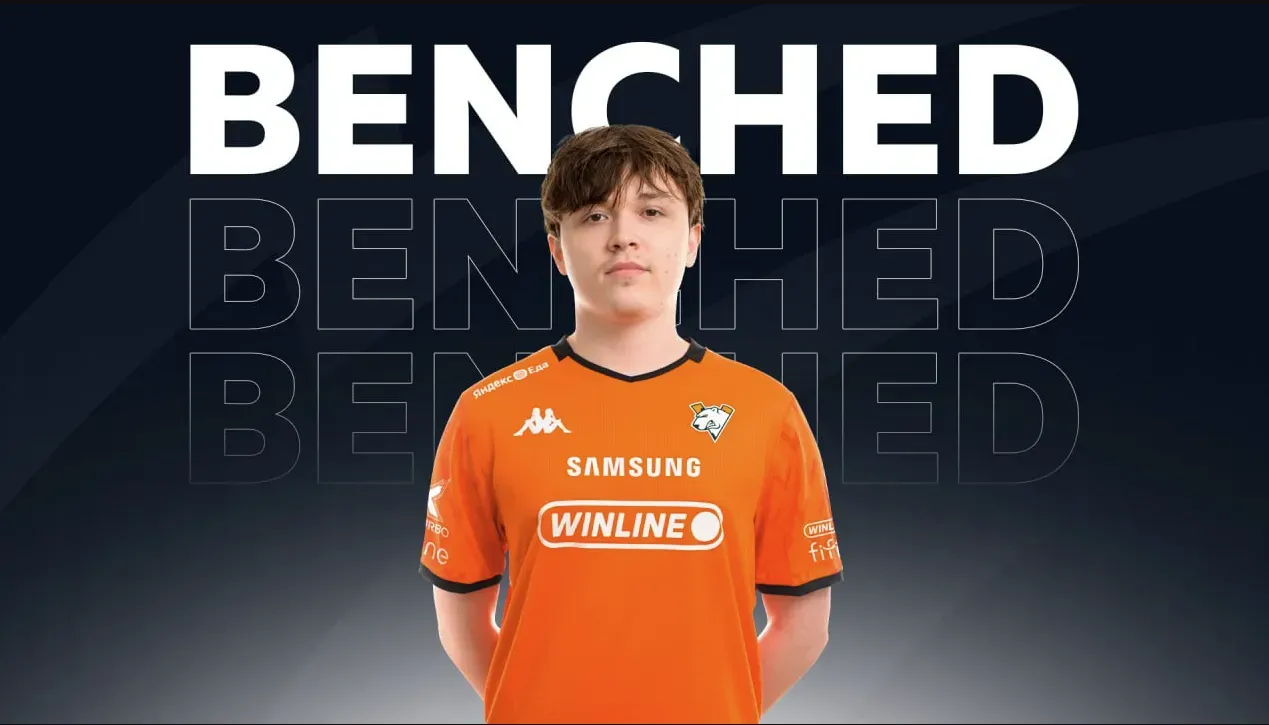
With their first DreamLeague matches scheduled for December 10th, Virtus Pro has limited time to build synergy with their new roster. The pressure is on for SabeRLight- and Hellscream to integrate quickly and deliver results that justify the organizational shake-up.
Runa Team Addresses Match-Fixing Allegations
Controversy erupted around Runa Team this week when allegations surfaced linking the organization to Bauyrzhan "lilskrip" Bisembaev, a player permanently banned by Valve for match-fixing violations. The accusations specifically claimed that lilskrip held a managerial or CEO position within Runa Team, operating under an alias to circumvent his ban.

Runa Team moved quickly to address the allegations through an official statement on their Telegram channel. The organization categorically denied that lilskrip serves as CEO or holds any managerial position within the club. They acknowledged that someone named Dmitry within their organization had received advice from lilskrip, but insisted these consultations were strictly limited to player scouting activities.
The statement emphasized that lilskrip has no involvement in the day-to-day operations of Runa Team and does not participate in organizational decisions. By clarifying the extent and nature of any connection to the banned player, Runa Team attempted to draw a clear line between legitimate scouting assistance and the kind of direct involvement that would violate competitive integrity standards.
Whether this explanation satisfies the community remains to be seen. Match-fixing scandals leave lasting damage to organizational reputations, and even indirect associations with banned players can raise eyebrows. Runa Team will need to maintain transparency and continue demonstrating their commitment to fair competition if they hope to put this controversy behind them.
VR Dota 2: The Future or Just a Fun Experiment?
Streamer t0fr0 gave viewers a glimpse of what Dota 2 could look like in virtual reality, broadcasting gameplay using VR gear on Twitch. The experimental stream attracted attention for its novelty but also highlighted the significant practical challenges of playing Dota 2 in VR.
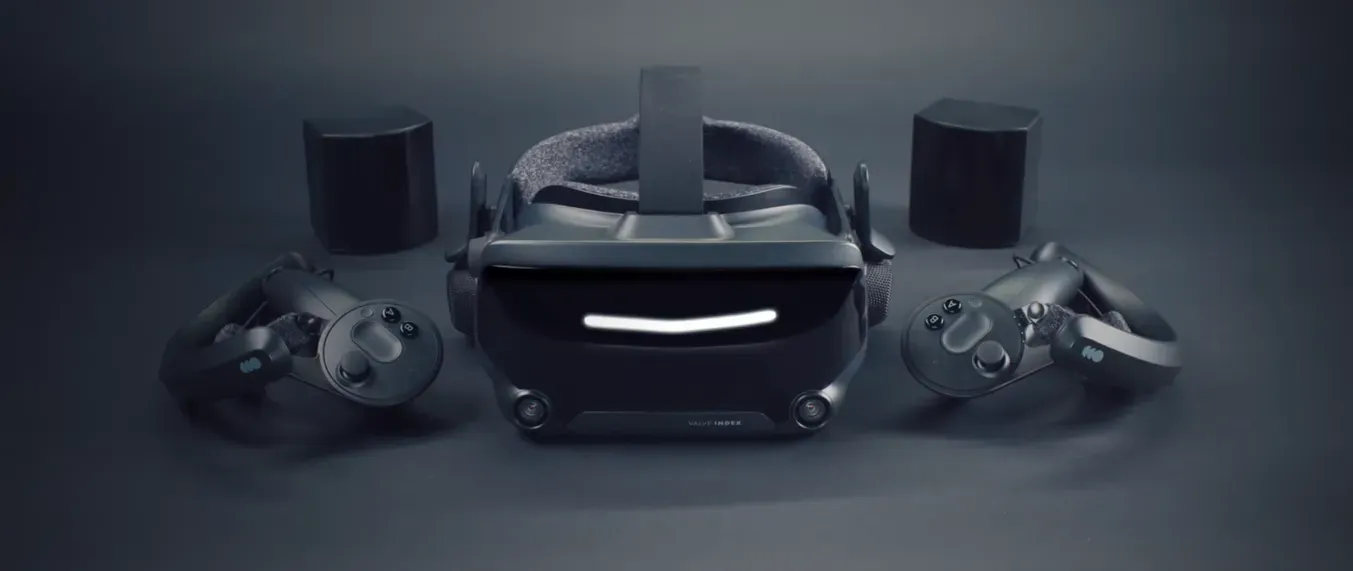
The first match ended in defeat, and the second appeared headed the same direction before technical difficulties cut the broadcast short. What became immediately apparent was that VR technology, while visually impressive, creates substantial mechanical hurdles for competitive gameplay. The streamer had to manually click every action using hand-strapped controllers, from activating individual abilities to issuing movement commands.
This control scheme introduces friction that simply does not exist with traditional mouse and keyboard setups. The precision and speed required for high-level Dota 2 play becomes significantly more difficult when every input requires physical pointing and clicking with VR controllers. What might work for immersive single-player experiences struggles to match the responsiveness competitive players demand.
That said, VR Dota 2 offers an undeniably cool perspective on the game. Experiencing team fights from within the battlefield and seeing hero models at full scale could make for spectacular viewing experiences, even if it proves impractical for serious competitive play. As VR technology continues developing and interface solutions improve, perhaps future iterations could find ways to preserve the immersion while addressing the control limitations. For now, t0fr0's experiment serves as an entertaining proof of concept rather than a viable alternative to traditional gameplay.
Russia Moves Toward Visa-Free Travel for Saudi Nationals
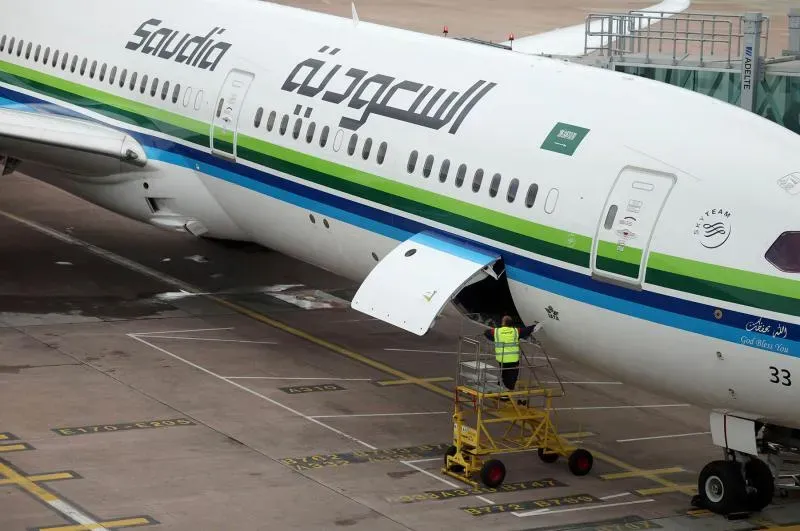
While not directly related to Dota 2 competition, diplomatic developments between Russia and Saudi Arabia could have significant implications for international esports events. Russian Foreign Minister Sergey Lavrov confirmed that discussions regarding mutual visa-free travel for Saudi nationals have reached advanced stages.
This policy shift could particularly benefit professional Dota 2 players and staff from Saudi Arabia or teams traveling to Russian tournament venues. The Esports World Cup held in Riyadh this year demonstrated Saudi Arabia's growing investment in competitive gaming, and simplified travel arrangements would make organizing international competitions significantly easier.
Current plans include launching direct flights between Saudi Arabia and Moscow starting October 2025, which would eliminate layover requirements and reduce travel times. Combined with visa-free entry, these changes could encourage more cross-border esports events and make it simpler for Saudi teams and organizations to participate in Russian tournaments.
Saudi tourism to Russia has already experienced explosive growth, jumping 570% between 2023 and 2024 following the introduction of Russia's e-visa system. If similar travel facilitation extends to esports professionals, it could open new opportunities for tournament organizers and teams navigating the complex logistics of international competition.
Make Your Predictions Count

You have read about the roster moves, the controversies, and the innovations shaping competitive Dota 2. Now it is time to put that knowledge to work. Head over to our Pick'ems section and lock in your predictions for upcoming matches. Who will prove their worth with their new teams? Which organizations will overcome off-field distractions to deliver results? The answers await on the battlefield, and expert analysts who understand these storylines always have the edge. Check out our detailed match predictions and esports analysis to refine your picks before the games begin.
TL;DR
- Virtus Pro signs SabeRLight- and Hellscream while benching Antares ahead of DreamLeague
- Runa Team denies match-fixing allegations, clarifies limited connection to banned player lilskrip
- Streamer t0fr0 demonstrates VR Dota 2 gameplay with mixed results and significant control challenges
- Russia advances visa-free travel discussions with Saudi Arabia, potentially easing international esports logistics
ChaiViz
Article TAGS
Dota 2
Virtus Pro
Runa Team
Valve Index
News Feed
Loading...
Loading...
Loading...
Loading...
Loading...
Loading...
Loading...
Loading...
Loading...
Loading...
![No[o]ne- has been playing mid lane at the top of Dota 2 for over a decade, and 2025 proved he isn't done yet. Here's everything you need to know about the Ukrainian veteran rewriting his own legacy with PARIVISION.](/_next/image?url=https%3A%2F%2Floadbalancer.gocore.gg%2Fstrapi%2Fassets%2FRoad_to_EWC_Noone_X_81c0e5c49e.webp&w=3840&q=80)
![No[o]ne- has been playing mid lane at the top of Dota 2 for over a decade, and 2025 proved he isn't done yet. Here's everything you need to know about the Ukrainian veteran rewriting his own legacy with PARIVISION.](/_next/image?url=https%3A%2F%2Floadbalancer.gocore.gg%2Fstrapi%2Fassets%2Fsmall_Road_to_EWC_Noone_X_81c0e5c49e.webp&w=3840&q=80)